AI agents
64 articles
Agents are the part of AI that changes how work gets done rather than how text gets written. These articles cover the frameworks and harnesses we run in production, what breaks when an agent meets a real business process, and how to tell a genuine capability gain from a demo. Written for people building or buying agent systems, not for people reading about them.
Page 2
Showing 21 to 40 of 64
Google Open Knowledge Format: How Plain Markdown Files Are Becoming the Brain of AI Agents
Google OKF is a plain markdown format for AI agent knowledge exchange. Implementation guide, competitive analysis, and practical business applications.
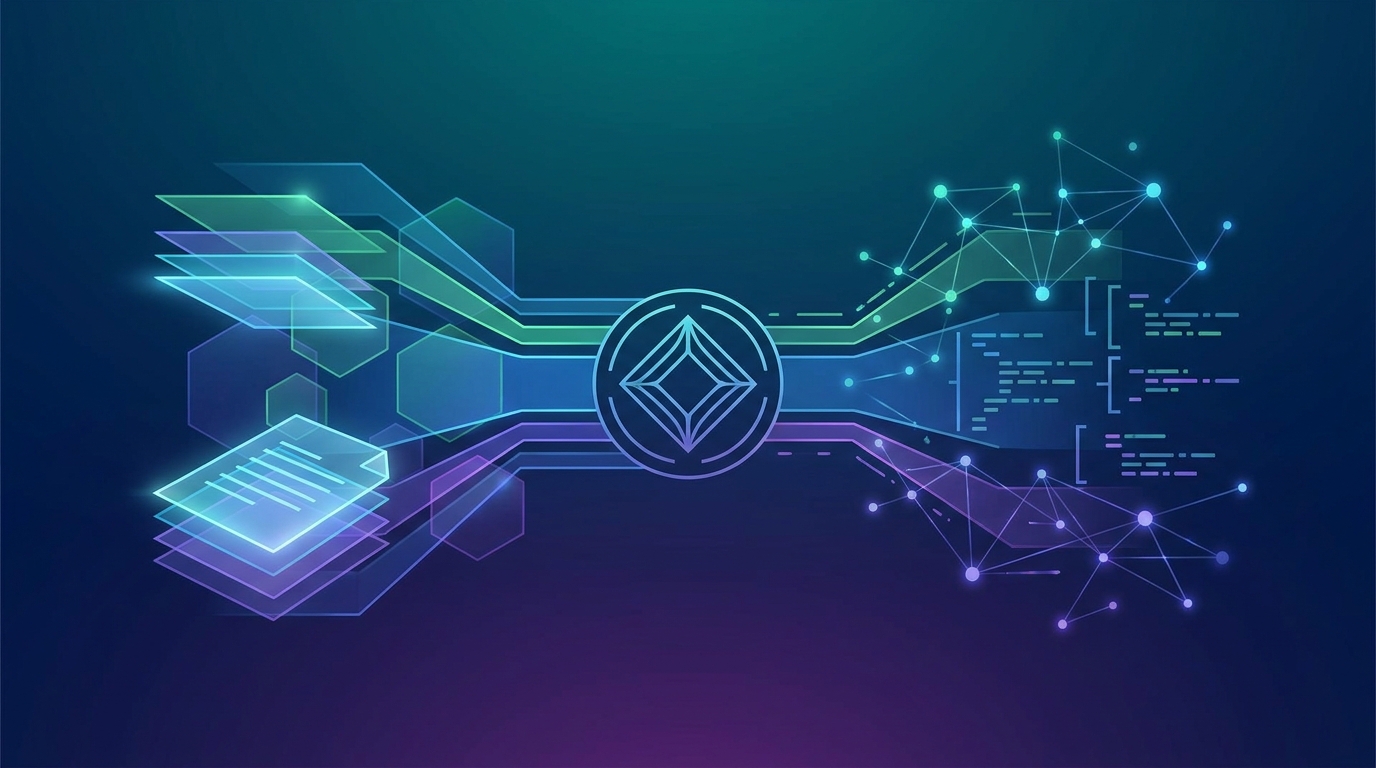
Loop Engineering: The Feedback Cycle That Turns AI Agents Into Reliable Workers
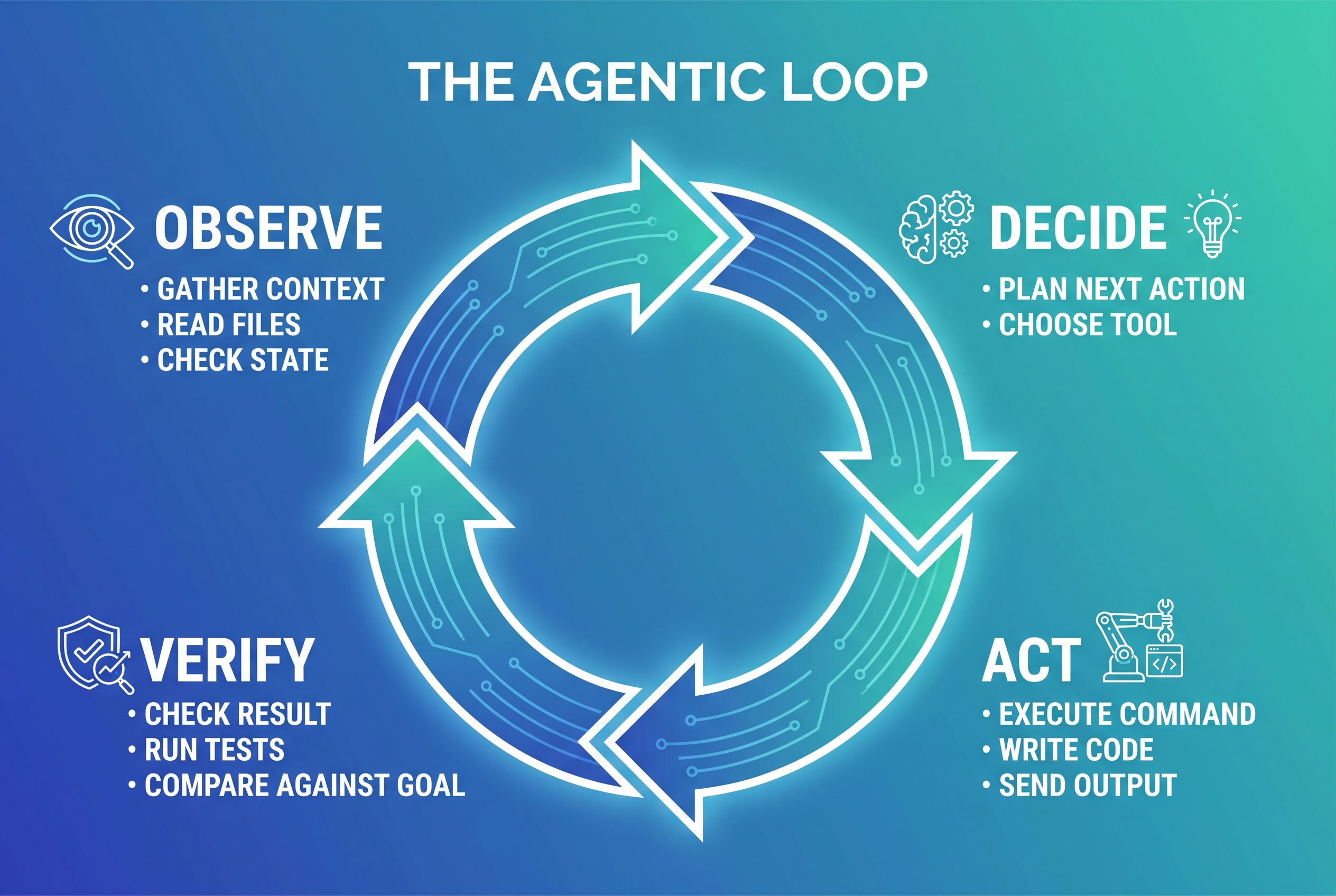
A great harness isn't enough. The real engine behind every reliable AI agent is the loop - observe, decide, act, verify. Here's how to engineer loops that actually ship work, the five patterns to choose from, the failure modes to avoid, and how it all connects back to harness engineering. Now updated with peer-reviewed research from PACT 2025 showing 3.54x performance gains from agentic loops in compiler optimization.
Agentic Operations: A Practical Guide for Australian Businesses (2026)
Agentic operations is the next shift in business automation - autonomous AI agents that plan, execute, and learn. Here is how Australian businesses can build them practically.

Microsoft SkillOpt Explained: How to Train AI Agent Skills (2026 Guide)
SkillOpt treats markdown skill documents as trainable parameters, lifting GPT-5.5 accuracy by +23.5 points without fine-tuning. Here is what it is, how it works, and why it matters.
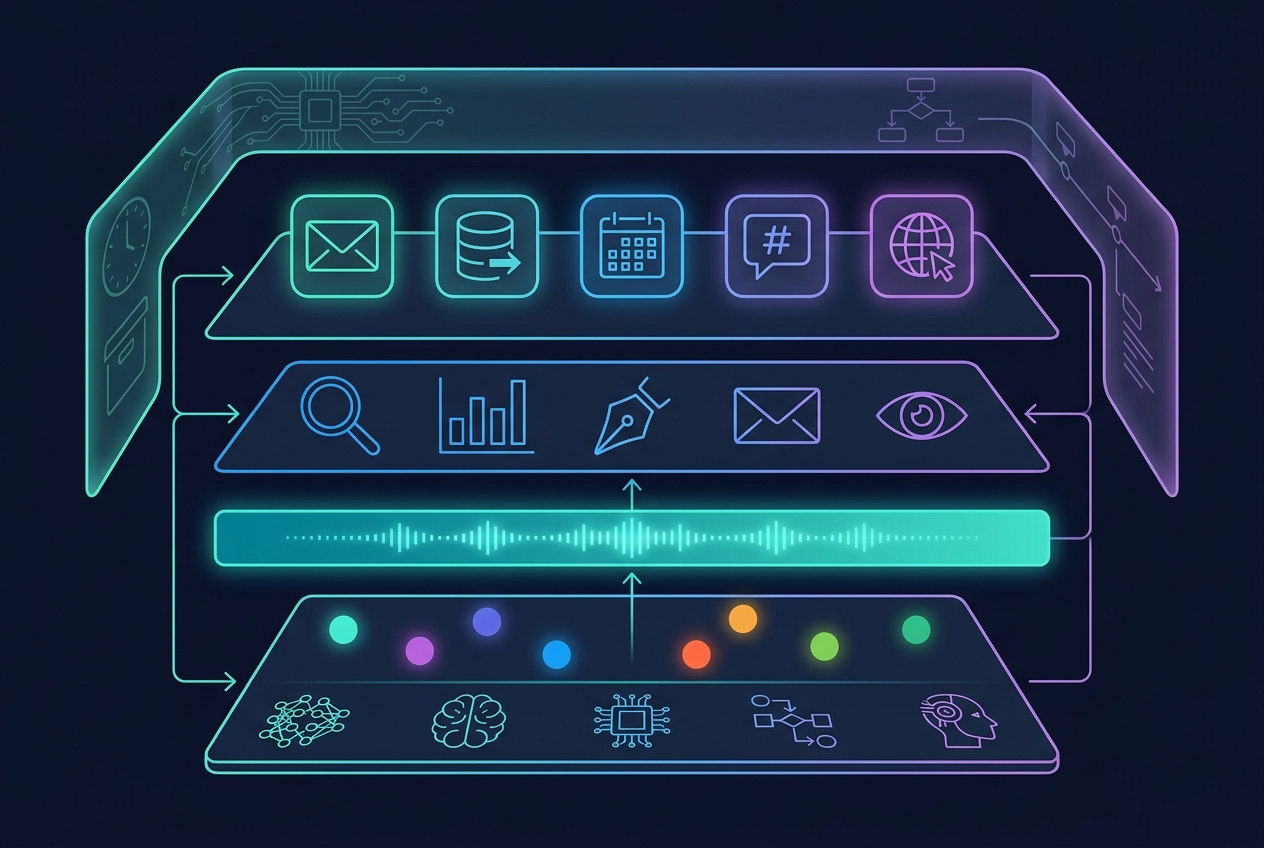
OpenClaw vs Hermes Agent: 2026 Comparison (Updated June)
Updated June 2026: Honest comparison of OpenClaw and Hermes Agent covering multi-model orchestration, pricing, memory systems, and real business use cases. Both are open source - the right choice depends on your needs.

The Interoperability Thesis: How OpenClaw Turned AI Agents From Hype Into Infrastructure
The AI industry bottleneck is not model intelligence - it is interoperability. OpenClaw built the protocol layer that makes agentic operations realistic, with natural reinforcement learning baked in.
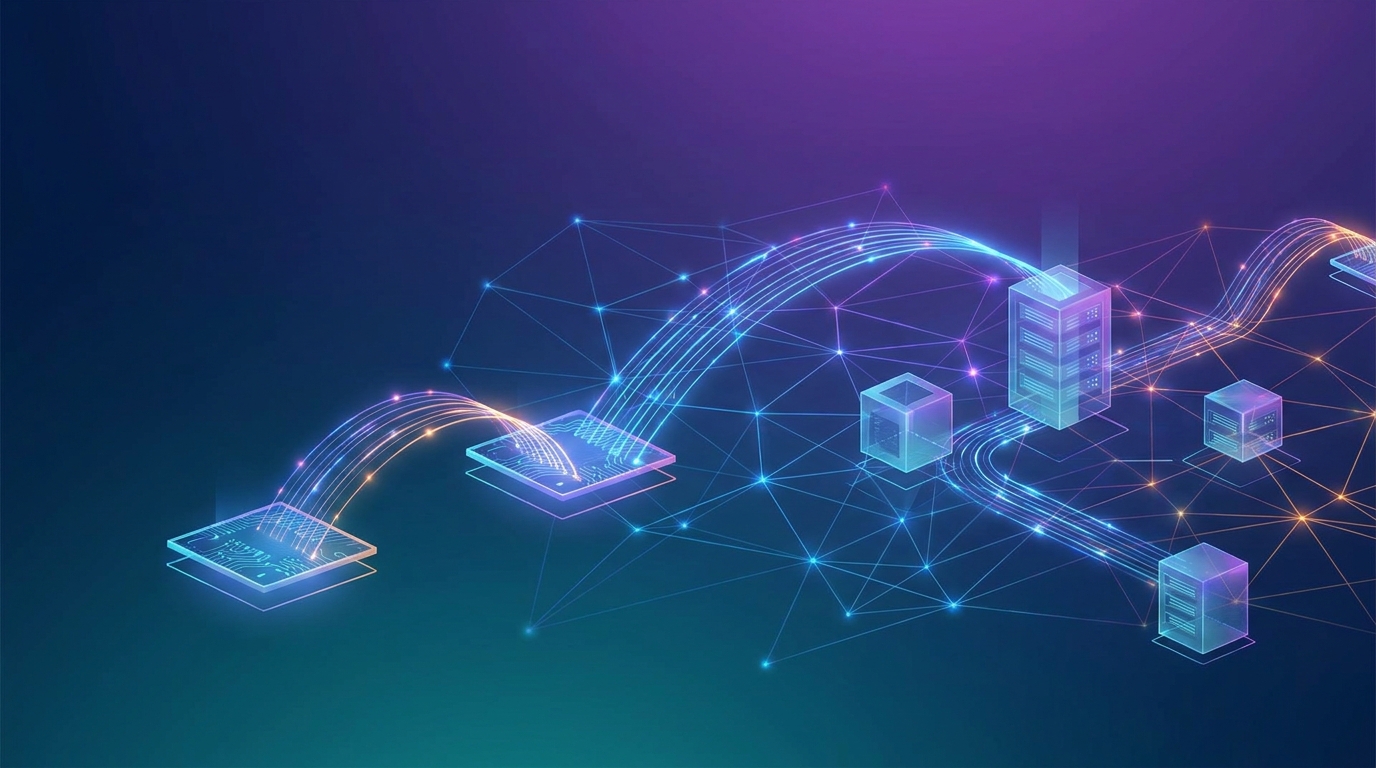
AI Agents Deep Dive: What Australian Businesses Need to Know in 2026
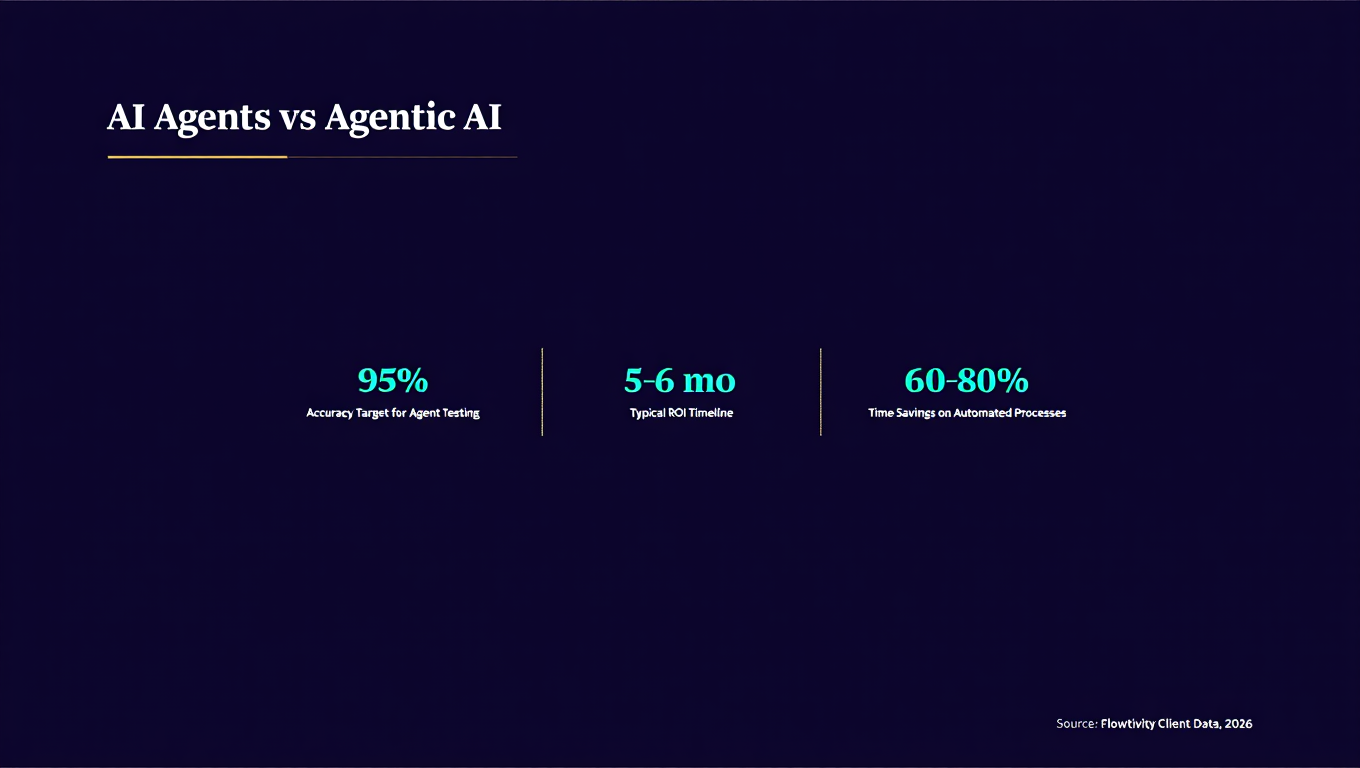
A comprehensive guide to AI agents and agentic AI for Australian businesses. Covers the difference between AI agents and agentic AI, real examples, implementation frameworks, platforms, courses, and ROI data.
NVIDIA Polar: How to Train AI Agents Without Changing Their Code
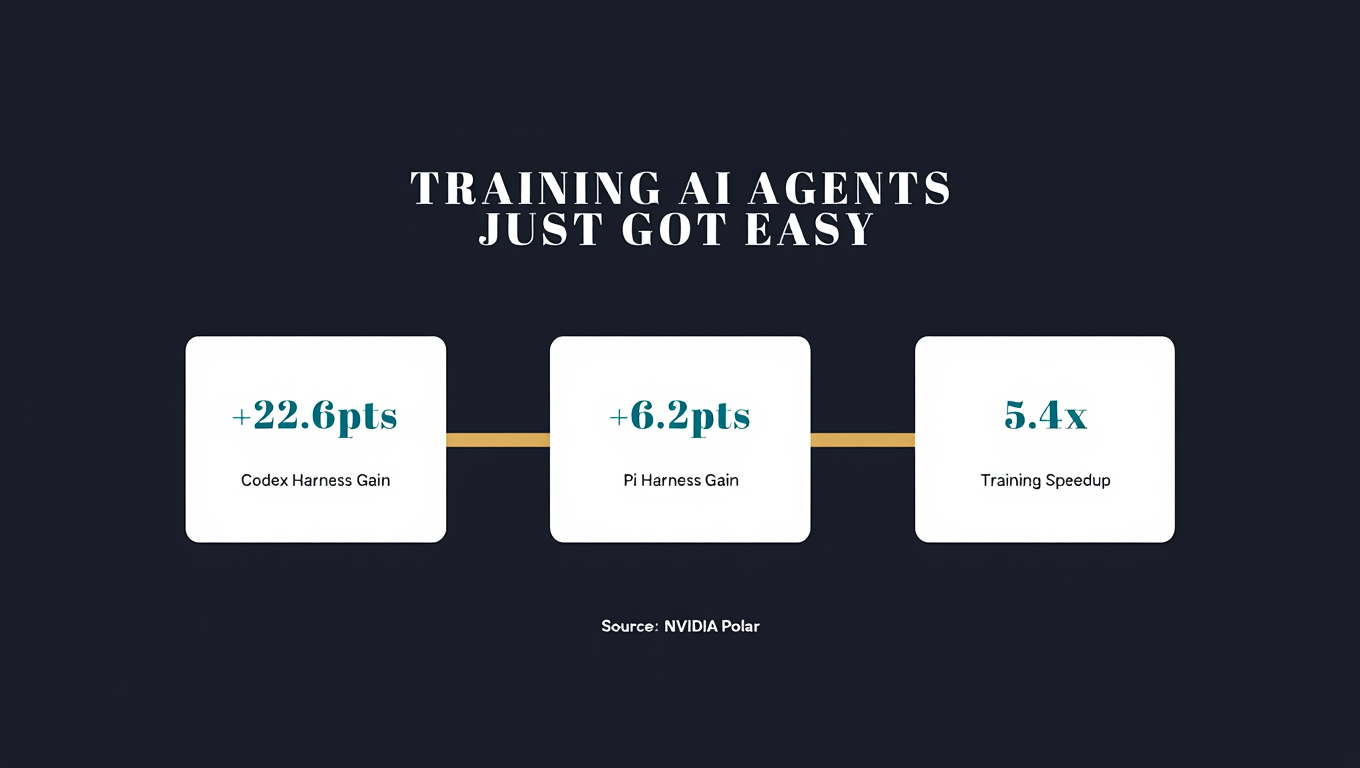
NVIDIA's Polar framework lets you train any AI agent with reinforcement learning without code changes. A 4B model gained 22.6 points on SWE-Bench using simple GRPO.
Harness Engineering: Why Your AI Agent Scaffolding Matters More Than the Model
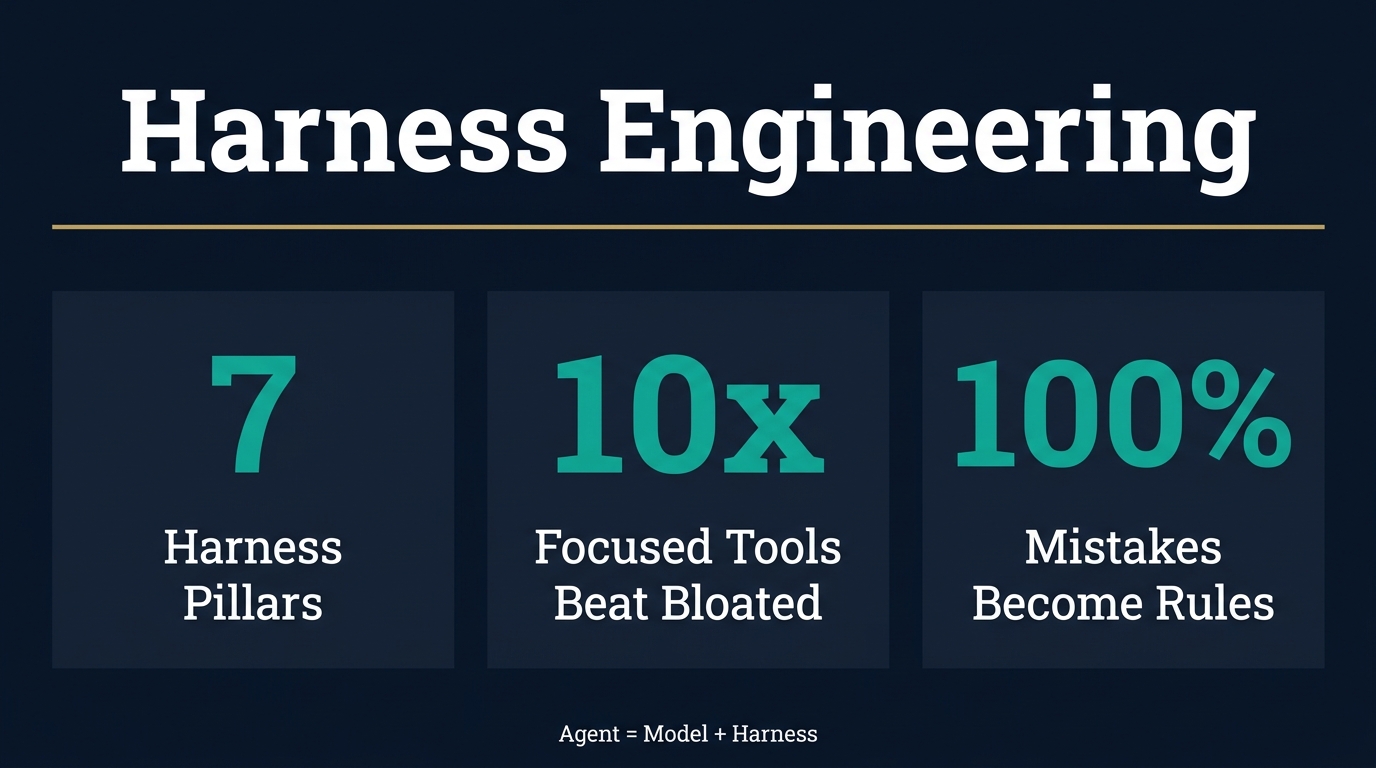
A decent model with a great harness beats a great model with a bad harness. Harness engineering is the discipline of building the prompts, tools, hooks, sandboxes, and feedback loops that turn AI models into reliable agents.
AI Agent Managers: Why Your Business Needs Them and How Flowtivity Builds the Agents
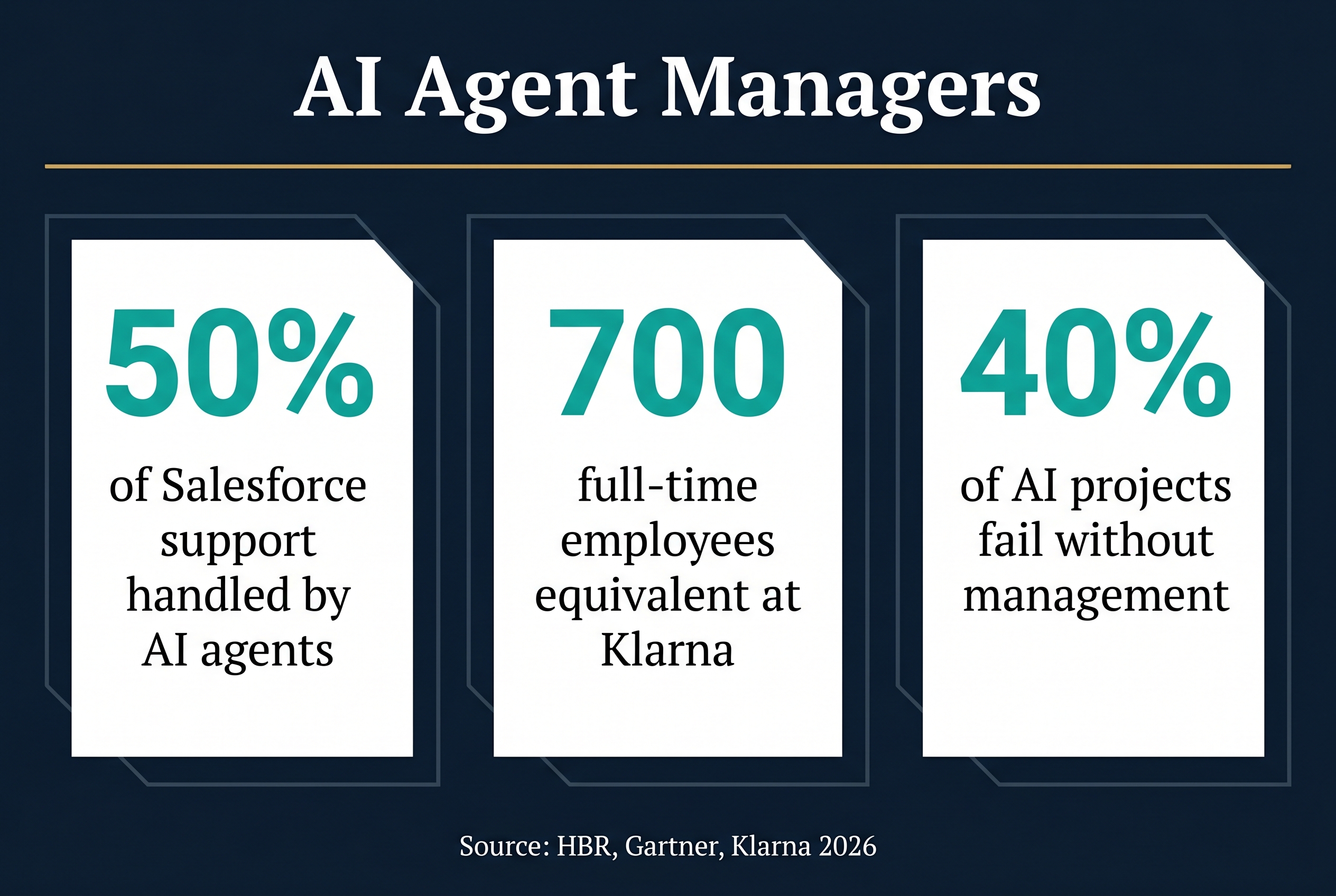
Harvard Business Review says companies need agent managers to thrive in the AI era. Here is what that means for your business and how Flowtivity handles the technical side so you can focus on what you do best.
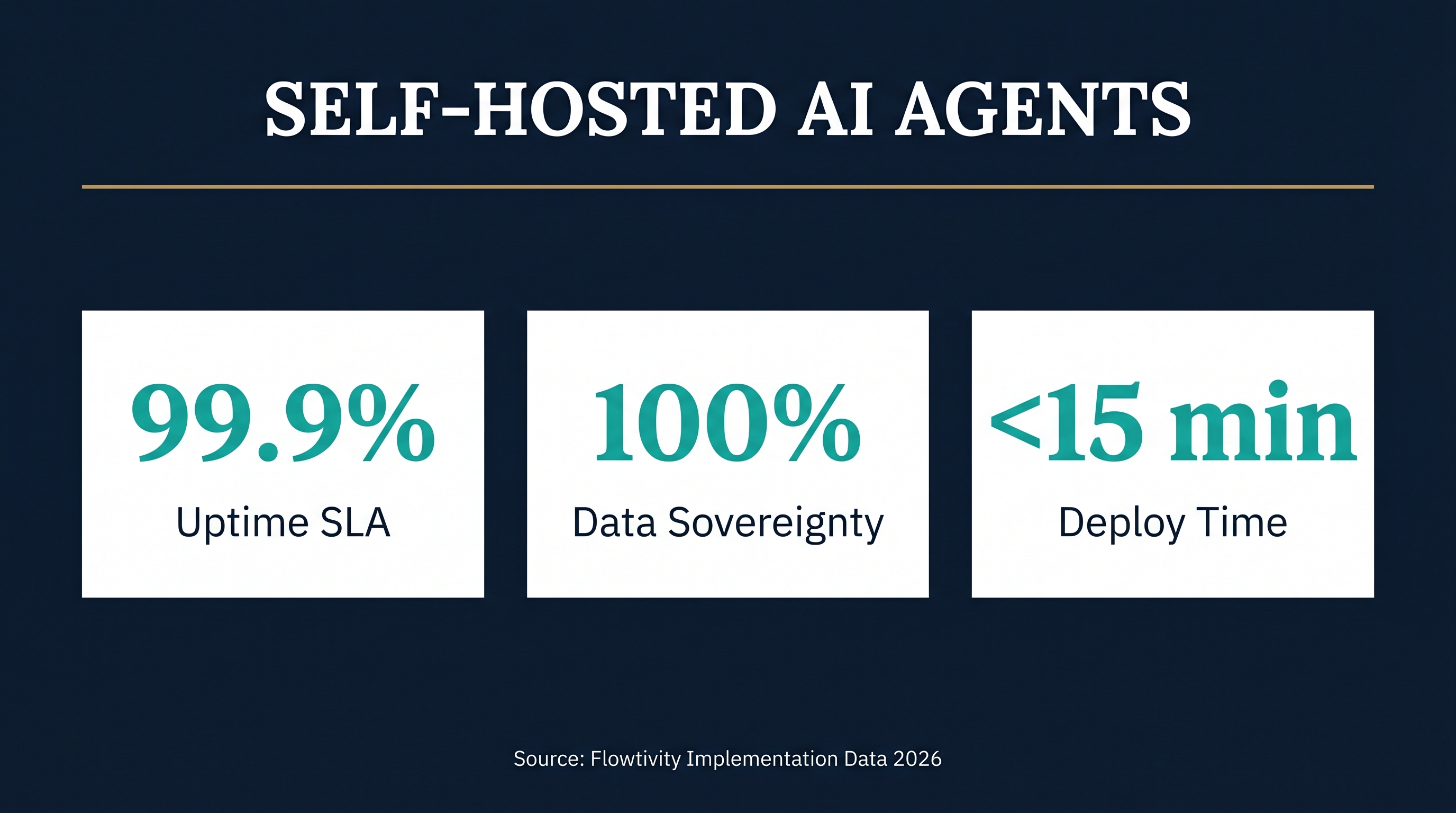
Multica Self-Hosting Guide: Deploy Your Own AI Agent Platform in 2026
Complete guide to self-hosting Multica for data sovereignty, compliance, and full control over your AI agent infrastructure. Docker deployment, security hardening, and monitoring included.
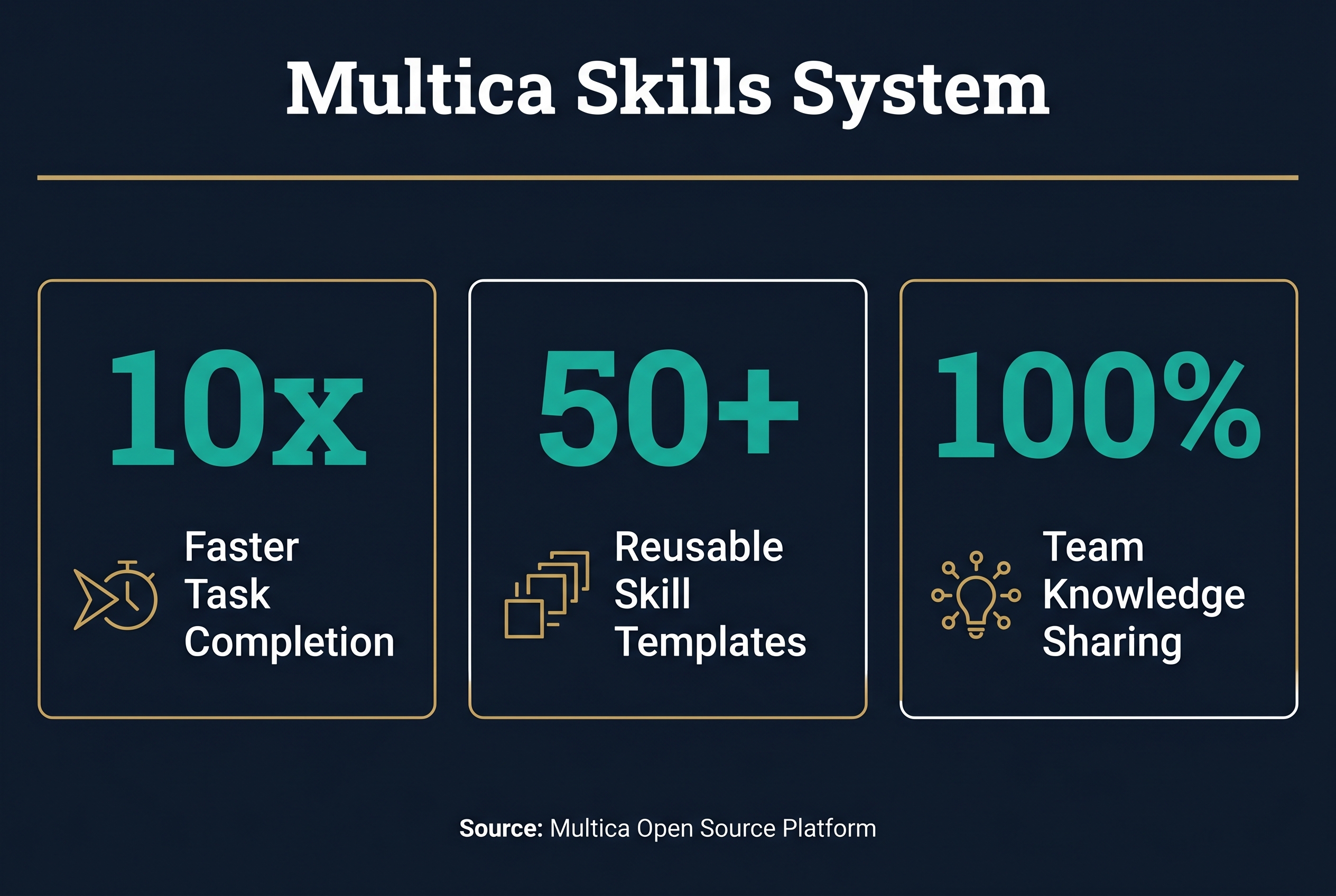
Multica Skills System: How to Build Compound Agent Capabilities
Deep dive into Multica skills system: how reusable agent capabilities compound over time, with practical examples for Australian businesses using AI agent management.
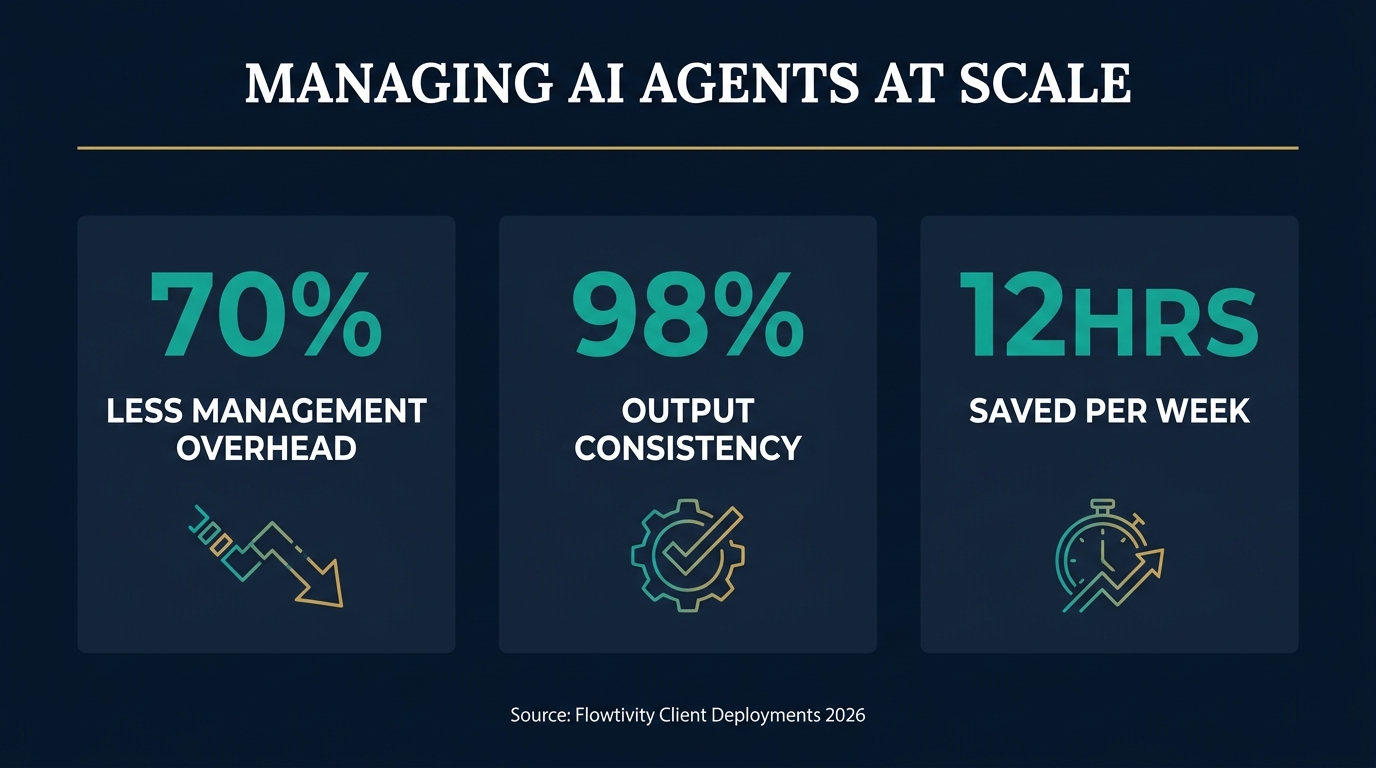
How We Manage AI Agents for Australian Businesses: A Multica Case Study
Real-world case study of using Multica to coordinate multiple AI agents for Australian SMB clients. Learn how Flowtivity reduced agent management overhead by 70% while scaling from 2 to 8 concurrent AI agents across consulting engagements.
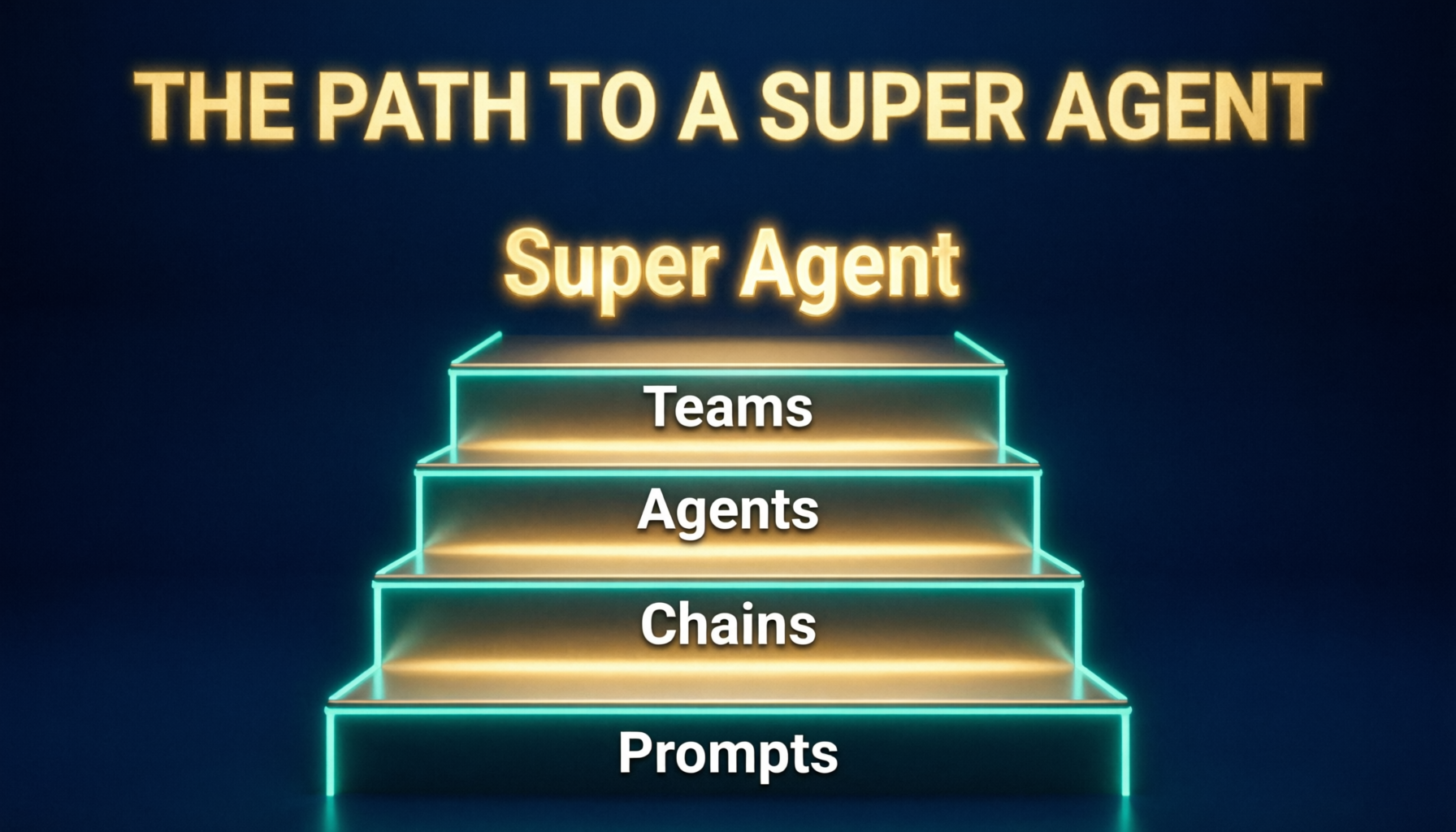
The Path to a Super Agent: From ChatGPT Prompts to Autonomous AI Systems
A practical guide to evolving from simple ChatGPT prompts to autonomous AI super agents with sandbox execution. Covers the agent capability hierarchy, multi-model architecture for cost management, and why Australian businesses are uniquely positioned for the super agent transition.
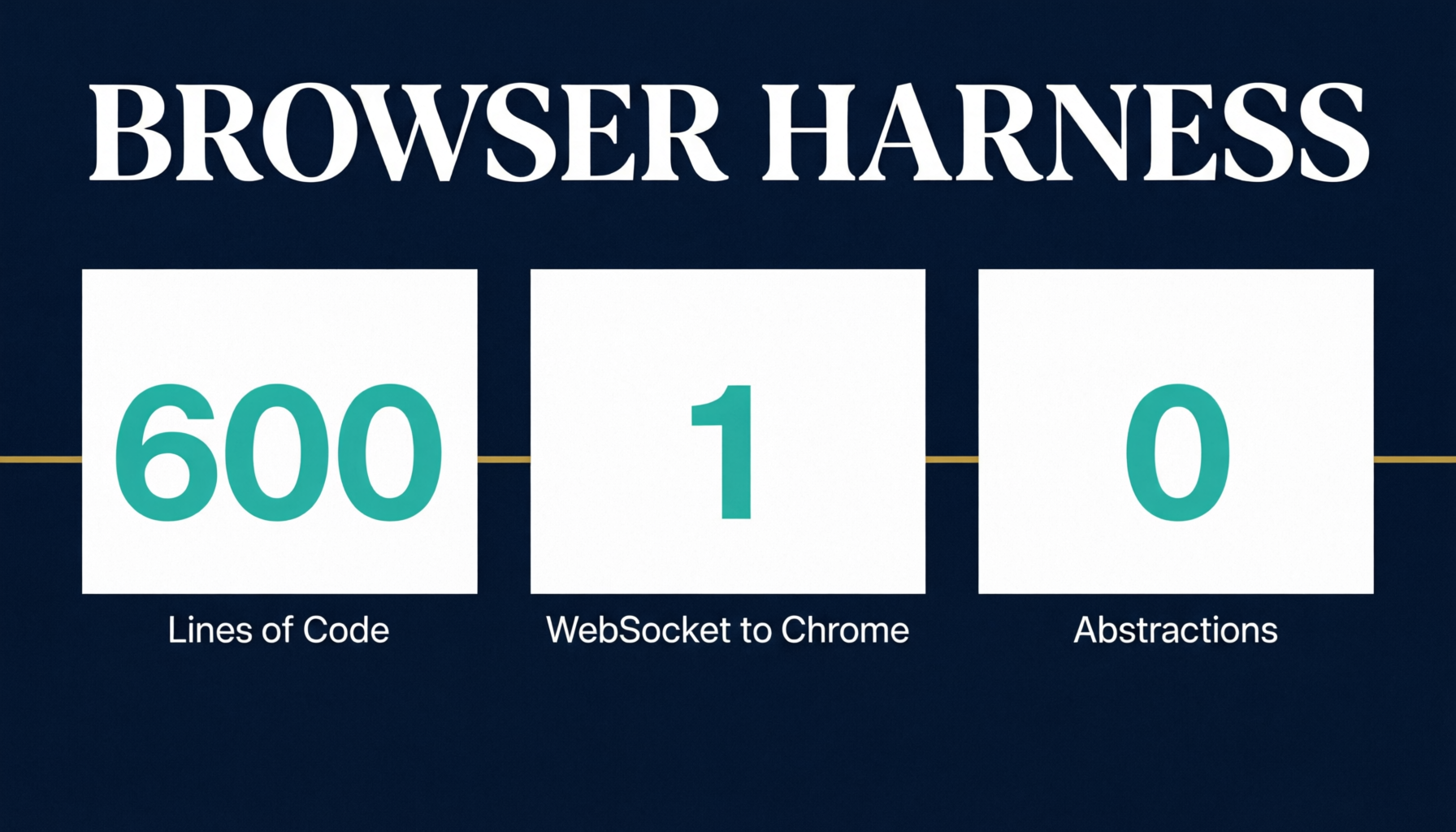
Browser Harness: Why Your AI Agent Needs Direct Browser Control (Not Another Framework)
Browser Harness gives AI agents raw CDP access to Chrome with no abstractions, no wrappers, and no rails. The agent writes what missing.
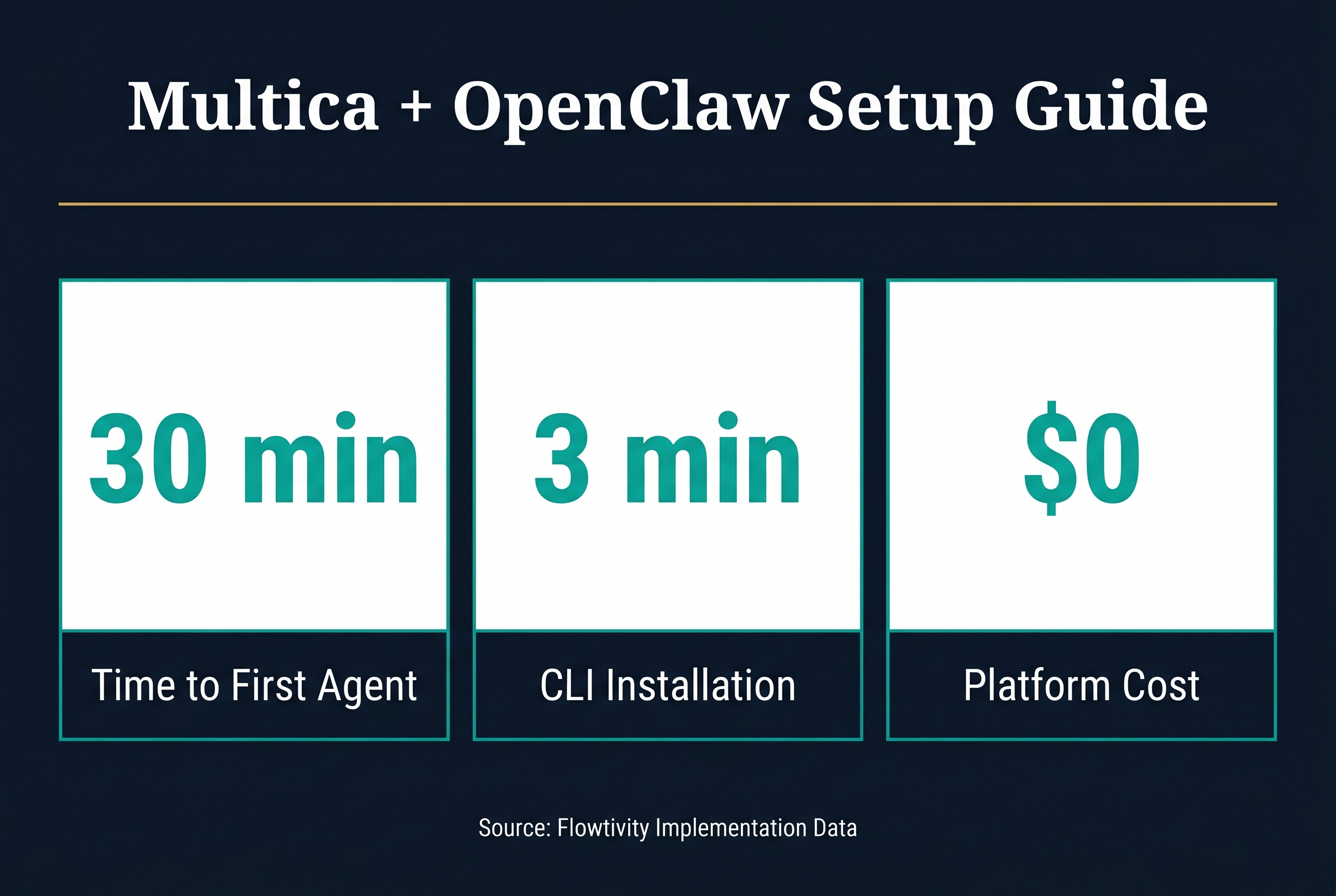
Complete Multica + OpenClaw Setup Guide: Manage AI Agents From Day One
Step-by-step tutorial for setting up Multica with OpenClaw to manage AI coding agents. Covers installation, runtime configuration, first agent creation, task assignment, and real tips from Australian business implementations.
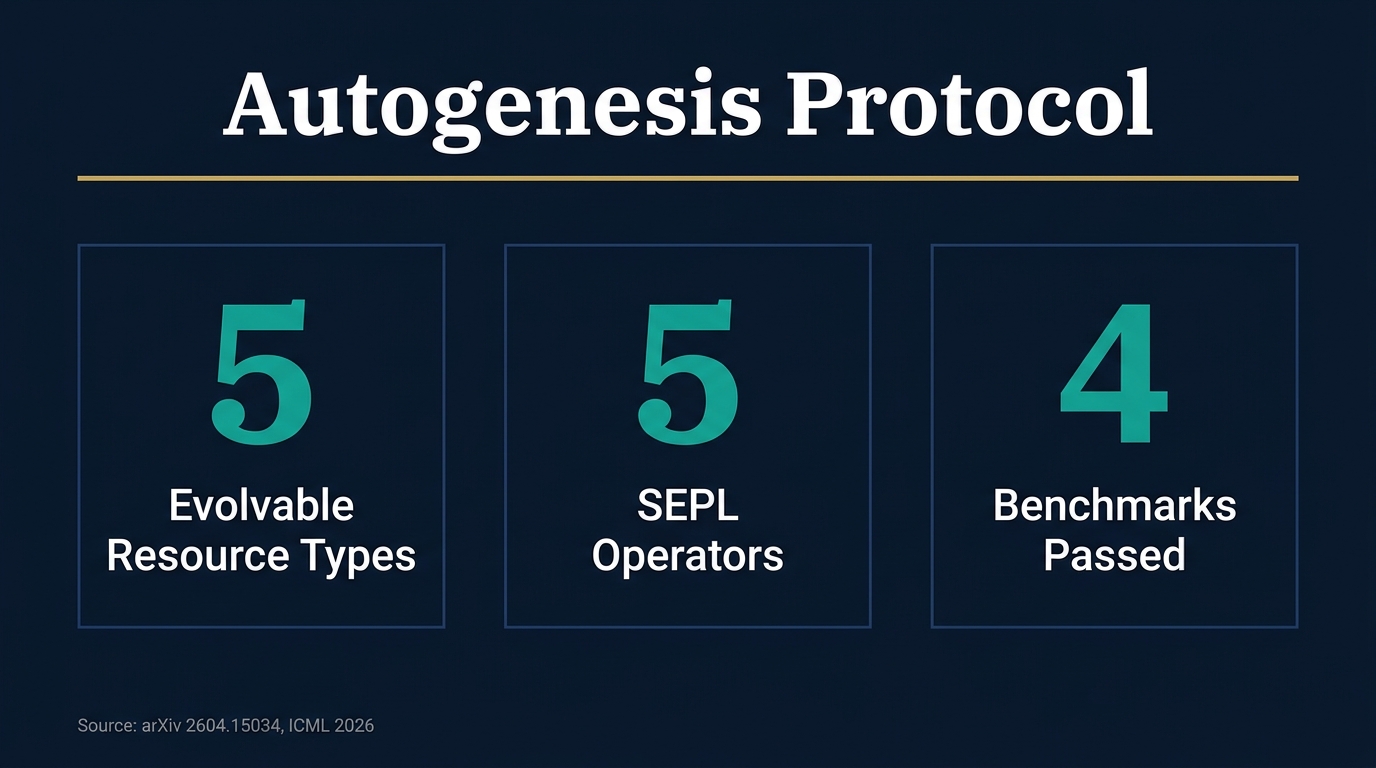
Autogenesis: The Protocol That Lets AI Agents Evolve Themselves
A deep dive into the Autogenesis Protocol (ICML 2026) — a two-layer architecture that lets AI agents safely evolve their own prompts, tools, and behaviour with full version tracking and rollback.
Why Qwen3.6-35B-A3B Changes the Game for Self-Hosted AI Agents
Alibaba new open-weight MoE model activates only 3B of its 35B parameters at inference. Here is why that matters for running local AI agents with OpenClaw, and exactly what hardware you need.

OpenClaw vs Claude Managed Agents vs OpenAI Agents SDK: Which AI Agent Framework Should You Pick in 2026?
A practical comparison of three leading AI agent platforms with clear guidance on when to pick each one based on your team, budget, and use case.
How We Use Twenty CRM and GraphQL to Run AI Agent Pipelines
We replaced Salesforce with Twenty CRM, an open source alternative, and use its GraphQL API to power our entire AI agent pipeline. Here is how GraphQL makes CRM agents possible, why self-hosting matters, and what we learned deploying it for lead management.

One email, most weeks
What actually changed in AI and what to do about it. No pitch, and you can leave in one click.