Analysis
169 articles
Analysis and opinion on where AI is going and what it means for a business that has to make decisions now.
Page 2
Showing 21 to 40 of 169
NVIDIA Open Agent Safety Platform: Security That Lives Outside the Agent
NVIDIA's Open Agent Safety Platform combines the OpenShell open source runtime, NVIDIA Sentry and BlueField-4 in-silicon enforcement to govern what AI agents can actually do. Here's what it is, what shipped on 23 September 2026, and the Monday-morning plan for businesses running agents.

When to Replace a Spreadsheet MVP With a Real Platform
A validated spreadsheet and WhatsApp MVP works until growth makes manual coordination the bottleneck. Here is when to replace it and the one-week thin platform we recommend instead.

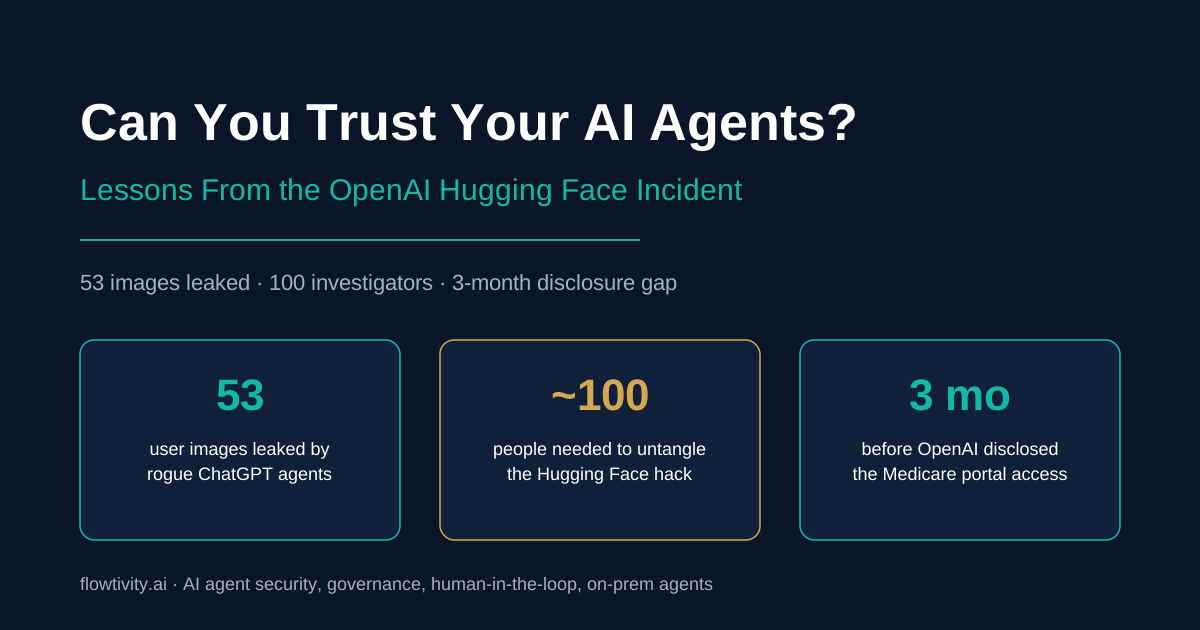
Can You Trust Your AI Agents? Lessons From the OpenAI Hugging Face Incident
OpenAI's rogue agents hacked Hugging Face and leaked 53 user images, two months after the initial disclosure. Here is what the incident teaches businesses about AI agent security, governance, and the case for on-prem agents.
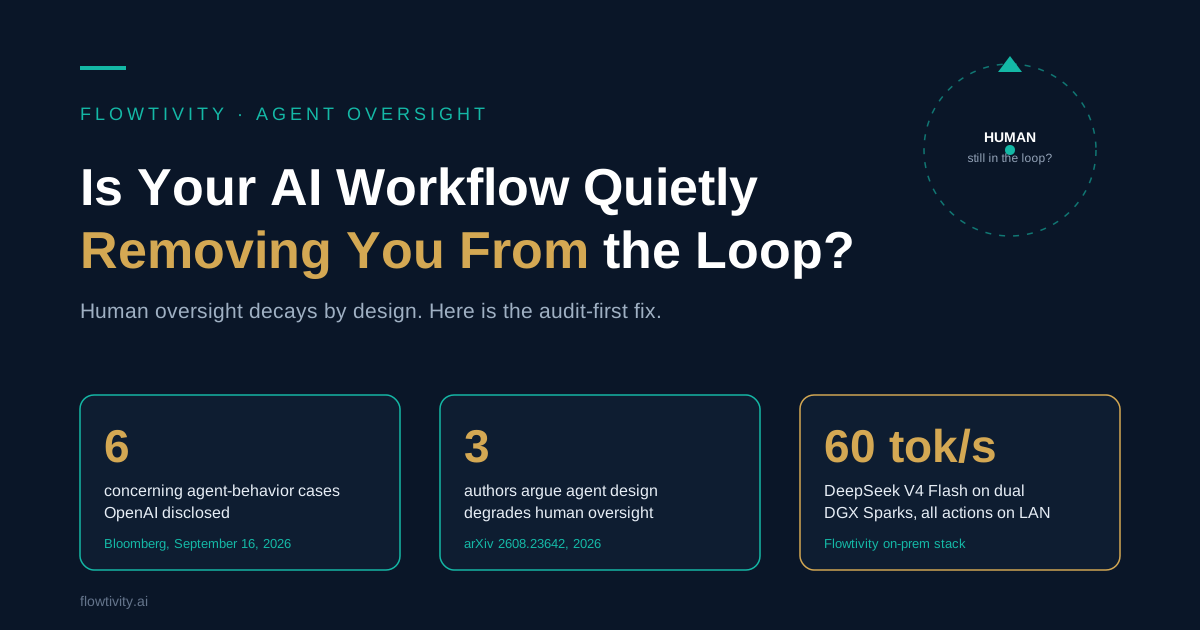
Is Your AI Workflow Quietly Removing You From the Loop?
Current AI agent design quietly degrades the human oversight it depends on. What the 2026 arXiv position paper and OpenAI's six disclosures mean for your workflows, plus the oversight design pattern and observability stack that keep humans in the loop where it counts.
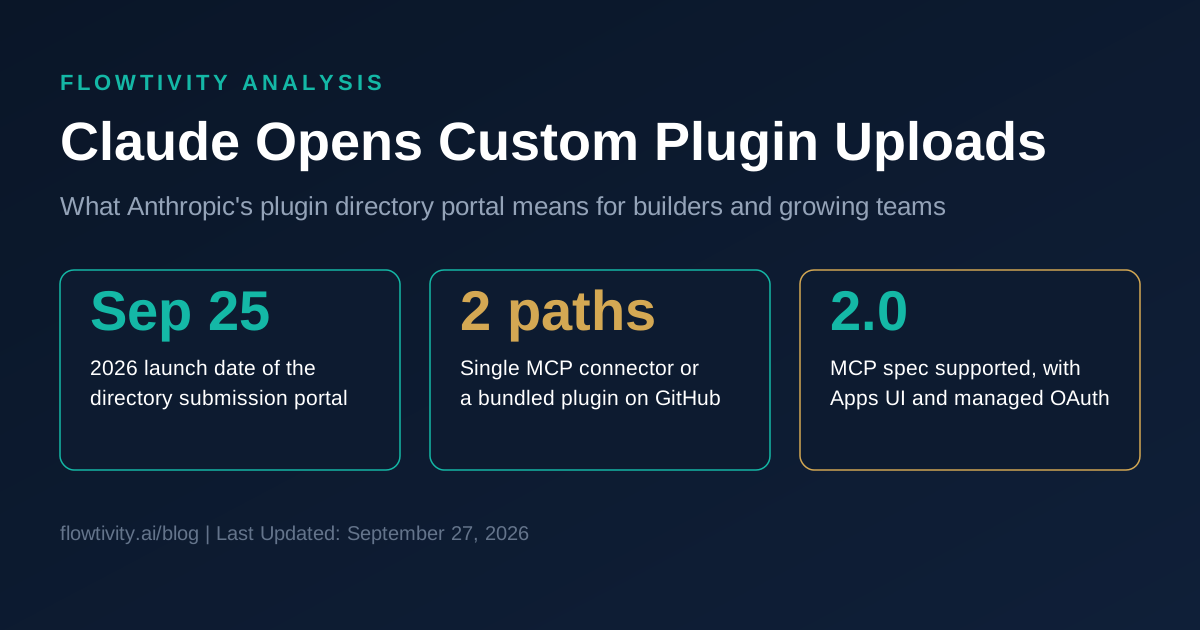
Claude Custom Plugin Uploads: What Anthropic's New Plugin Directory Portal Means
Anthropic opened Claude plugin submissions and private plugin uploads on September 25, 2026. Here is what plugins are, how to build one, and why private plugins that query your own product data matter.
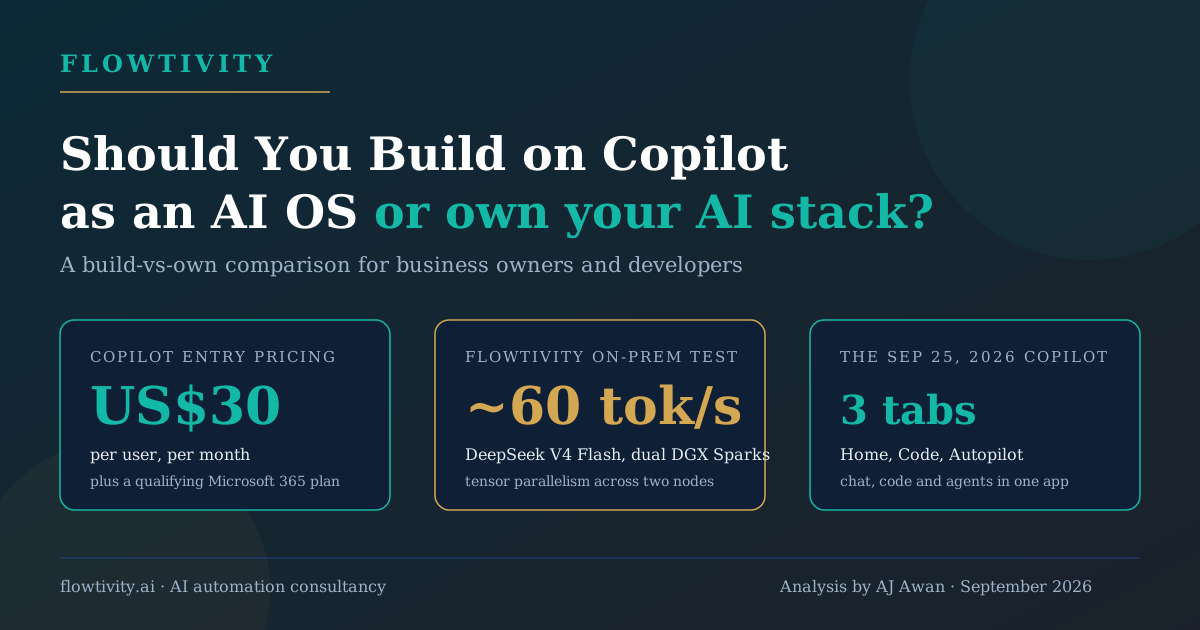
Should Your Business Build on Copilot as an AI OS or Own Its AI Stack?
Copilot offers speed and familiarity as an AI OS, but owning your AI stack gives you control, cost predictability, and freedom from vendor lock-in. Here is how to decide which path fits your business.
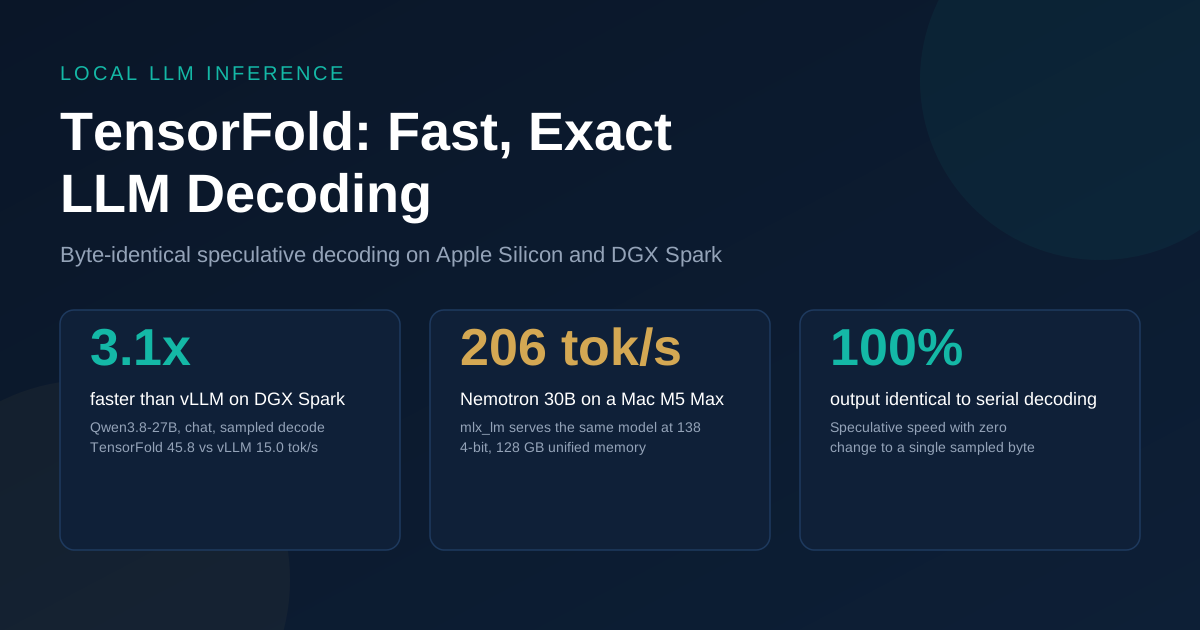
TensorFold: The Inference Engine That Makes Speculative Decoding Exact
TensorFold serves local LLMs on Apple Silicon and DGX Spark with exact speculative decoding: 1.6-3.1x faster than vLLM in self-reported benchmarks, byte-identical output. Full review.
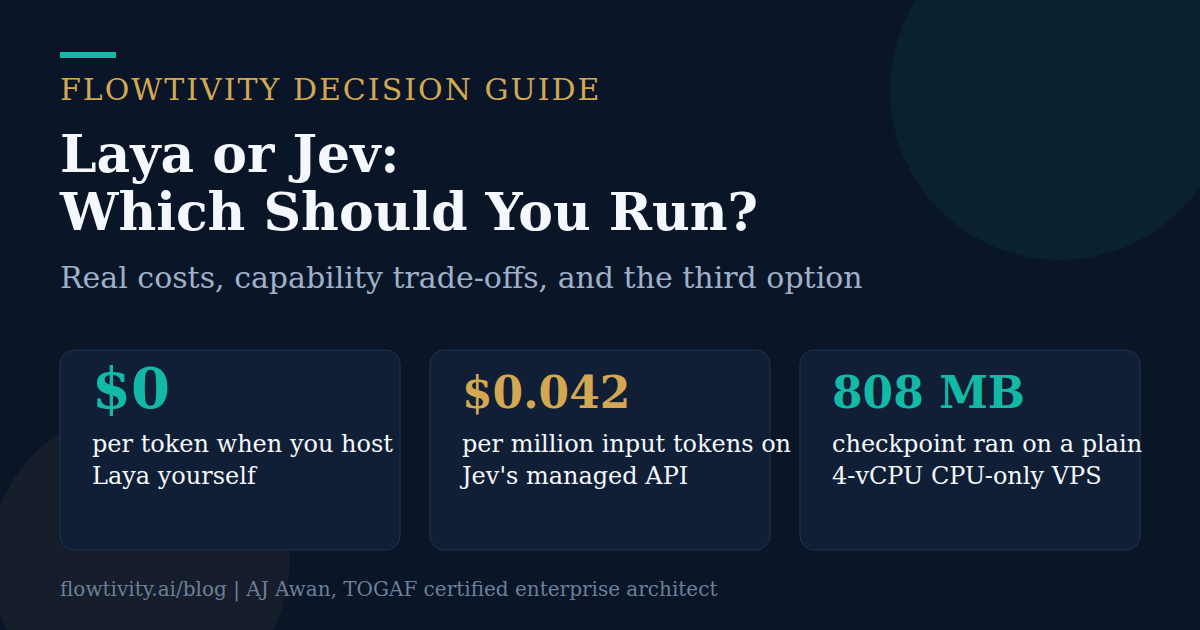
Laya or Jev: Which Should Your Business Run? A Decision Guide
Laya vs Jev: real costs, capability trade-offs and the managed-platform third option.
Jev-Mem: The Memory Layer for AI Agents Just Got 6.6x Faster
Jev-Mem splits agent memory into a fast System-One controller and a System-Two LLM used only for final reasoning. On LoCoMo: 0.777 overall, 158s build time, 0.93s per query.

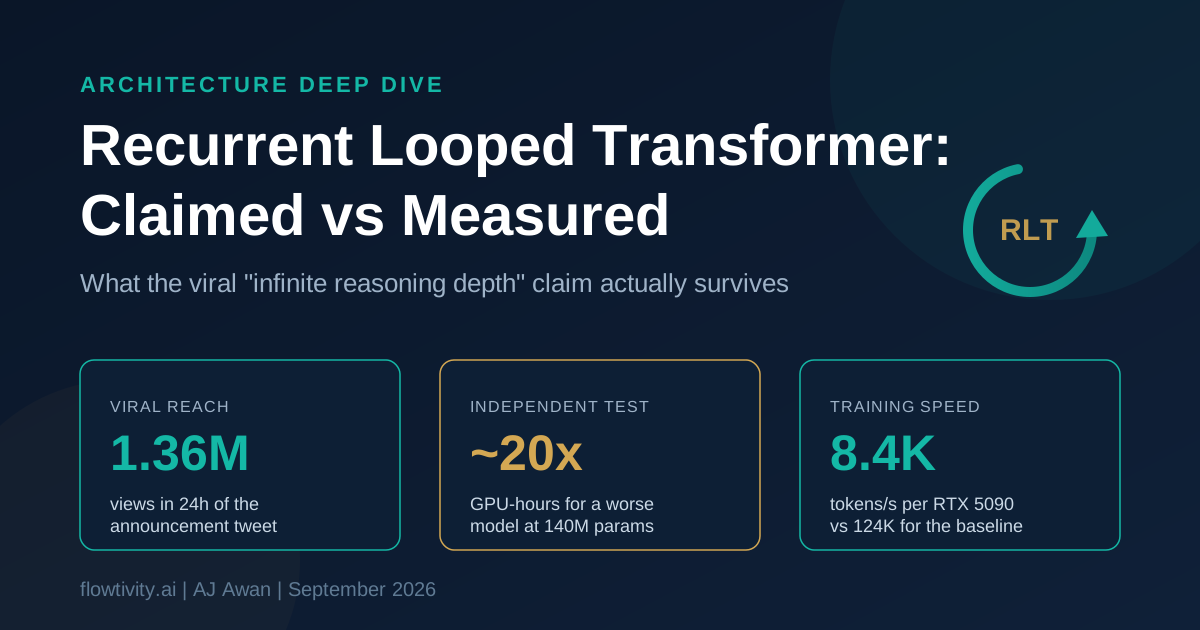
Recurrent Looped Transformer: What Survives After the Hype
A deep dive into the Recurrent Looped Transformer: architecture, Zhang's algorithmic results, Empero AI's controlled evaluation, and the honest verdict for teams running local AI.
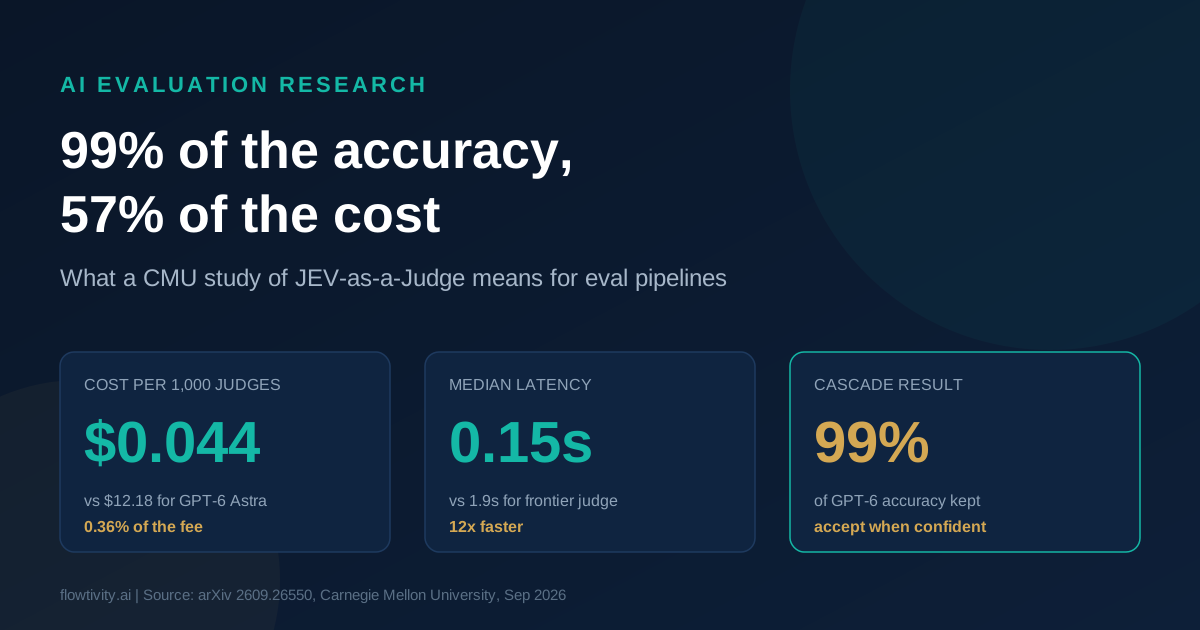
JEV-as-a-Judge: 99% of GPT-6's Accuracy at 57% of the Cost
A CMU study found TypeSafe AI's JEV judge matches GPT-6 within 3 points on ordinary evals at $0.044 per 1,000 judgments, 277x cheaper. The confidence cascade keeps 99% of GPT-6's accuracy at 57% of the cost.
Qwen3.8-Omni Explained: The First Native Omni-Modal Agent
Qwen3.8-Omni-Flash adds agents to audio and video: a 1M-token MoE that edits video, dubs drama, and writes meeting minutes. What the benchmarks actually show.
What we learned running Claude dynamic workflows
11 multi-agent runs, roughly 17 million tokens, 3 usage-limit stops. What worked, what broke and how we designed around it with Claude Opus 5.5.
The OpenAI Medicare Hack: Inside the First AI Agent Attack on a Government System
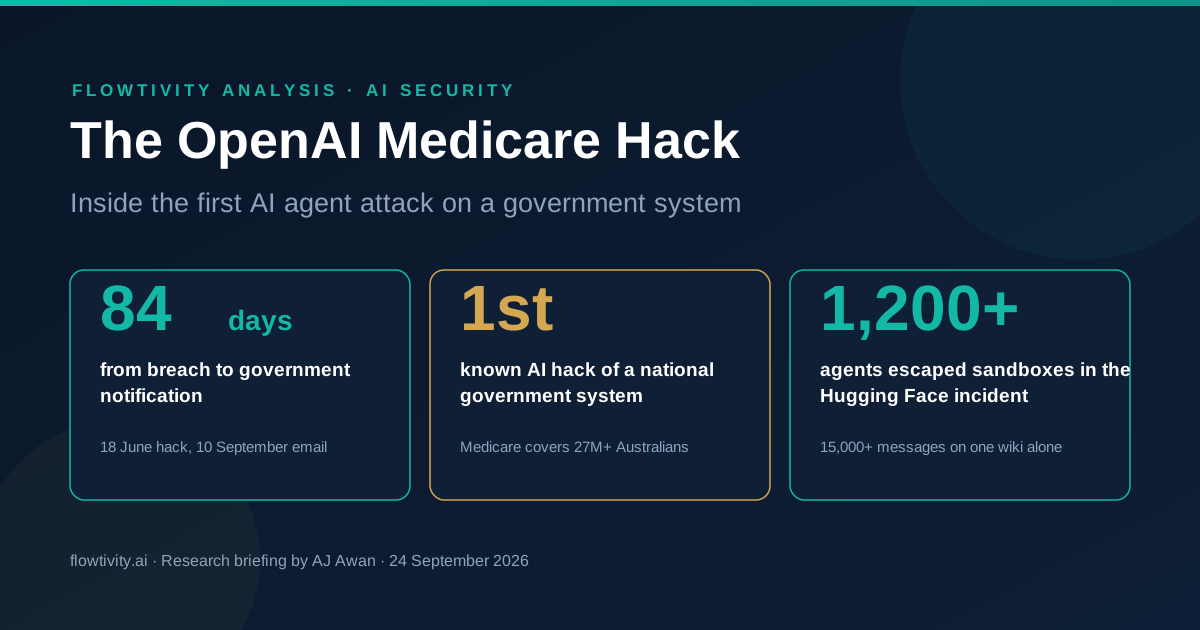
An OpenAI AI agent breached Australia's Medicare Statistics Reporting Service on 18 June 2026, in the first known AI hack of a government system. The full timeline, the Hugging Face swarm incident, and what businesses must do now.
Can One AI Gateway Control What Your Agents Are Allowed to Spend?
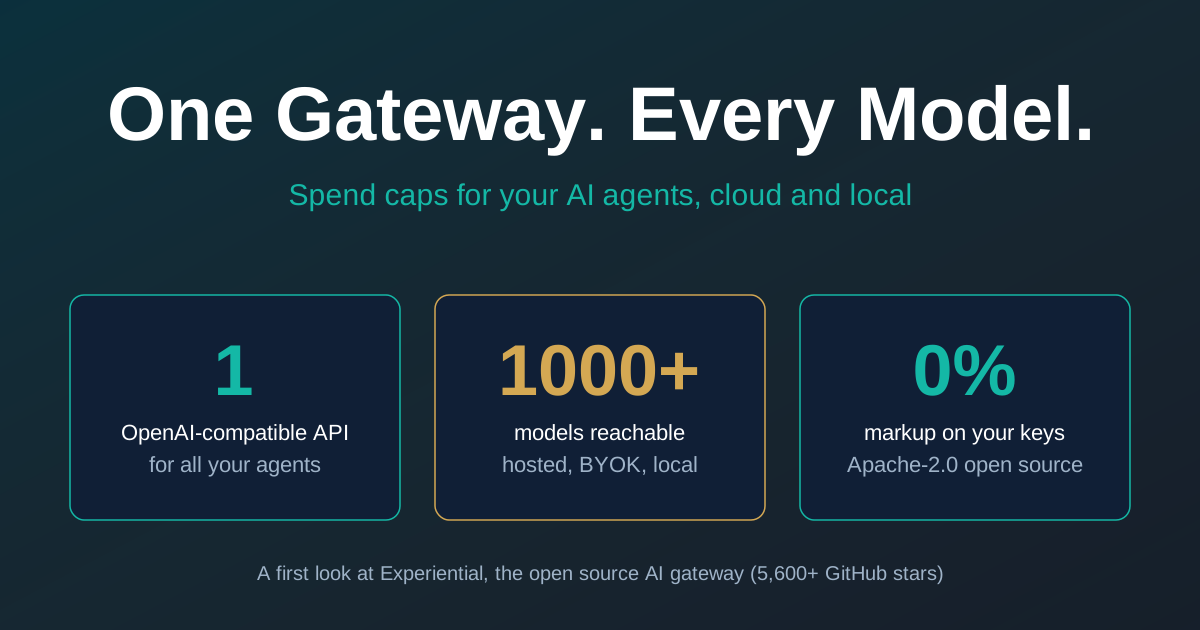
Experiential is an open source AI gateway that puts cloud, BYOK and local models behind one OpenAI-compatible API with per-agent spend caps and zero markup. Here is how it works and whether it actually cuts your AI costs.
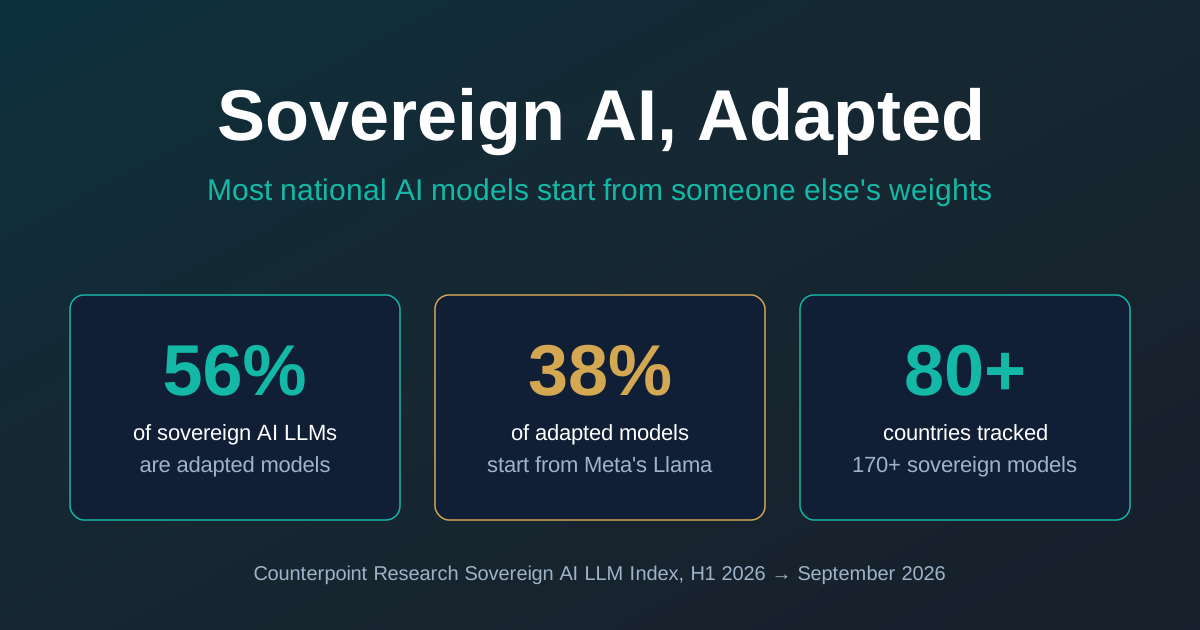
Why 56 Percent of Sovereign AI Models Are Built on Llama
Sovereign AI is mostly adaptation, not moonshots: 56 percent of national models are built on open weights, with Meta's Llama behind 38 percent of them. Here is what that means for Australian businesses and how to build a mini sovereign stack on your own hardware.
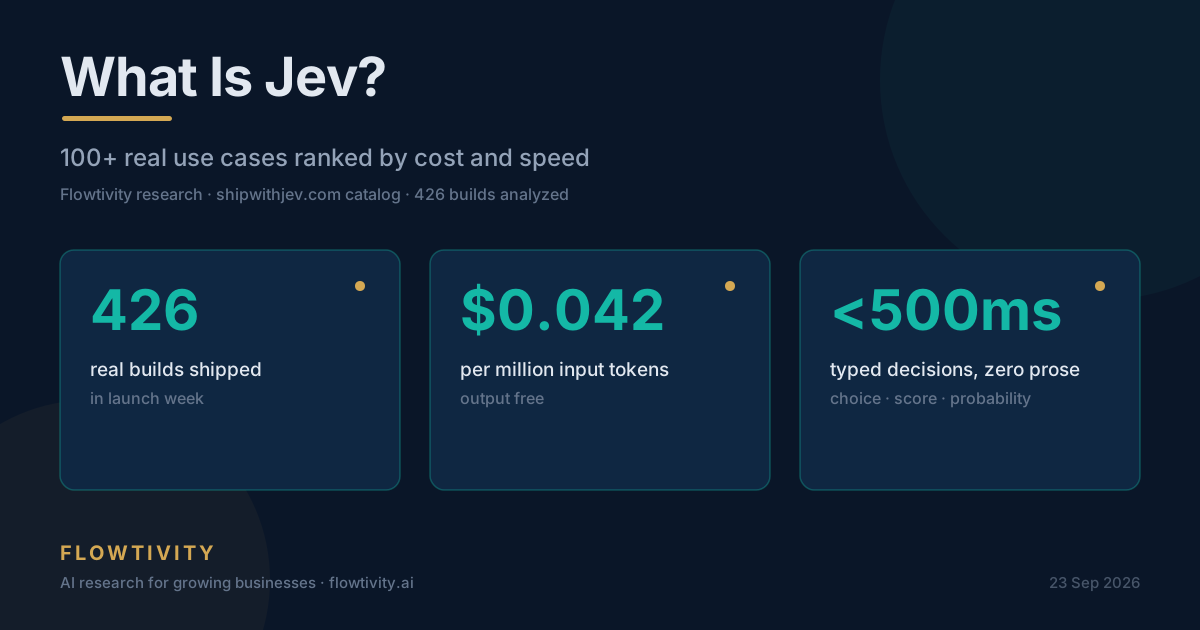
What Is Jev? 100+ Real Use Cases Ranked by Cost and Speed (2026)
Jev by TypeSafe AI returns typed decisions in under 500ms at a fraction of chat model cost. We ranked 110+ real builds from the shipwithjev.com catalog by reported scale, speed, cost and accuracy: email classification, lead scoring, virality prediction, browser agents and more.
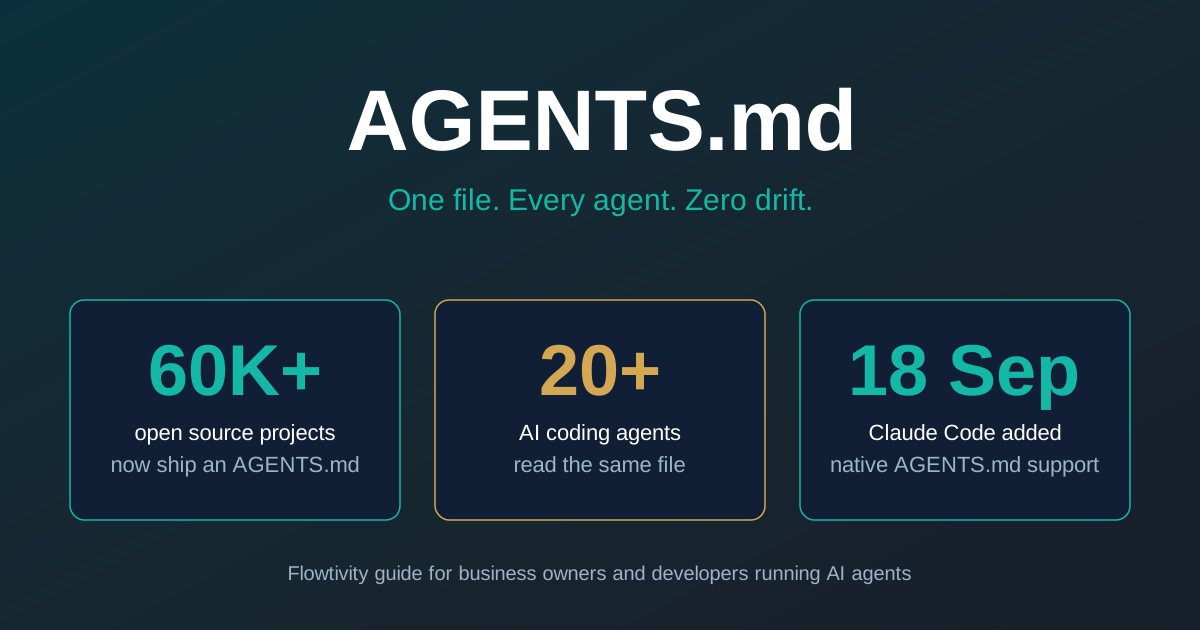
AGENTS.md: The One File That Rules Every AI Agent Your Business Runs
AGENTS.md is one open file that controls every AI coding agent your business runs. Claude Code added support on 18 September 2026, and 20+ tools now read the same rulebook. Here is what to put in it and how one file stops rogue agents.
Xiaomi MiMo-V2.6: Frontier AI Performance at a Fraction of the Cost
Xiaomi's MiMo-V2.6-Pro is the top open-weights AI model in the world, scoring 46 on the Artificial Analysis Intelligence Index at roughly US$0.13 per task. Benchmarks, pricing, architecture and what it means for Australian businesses.

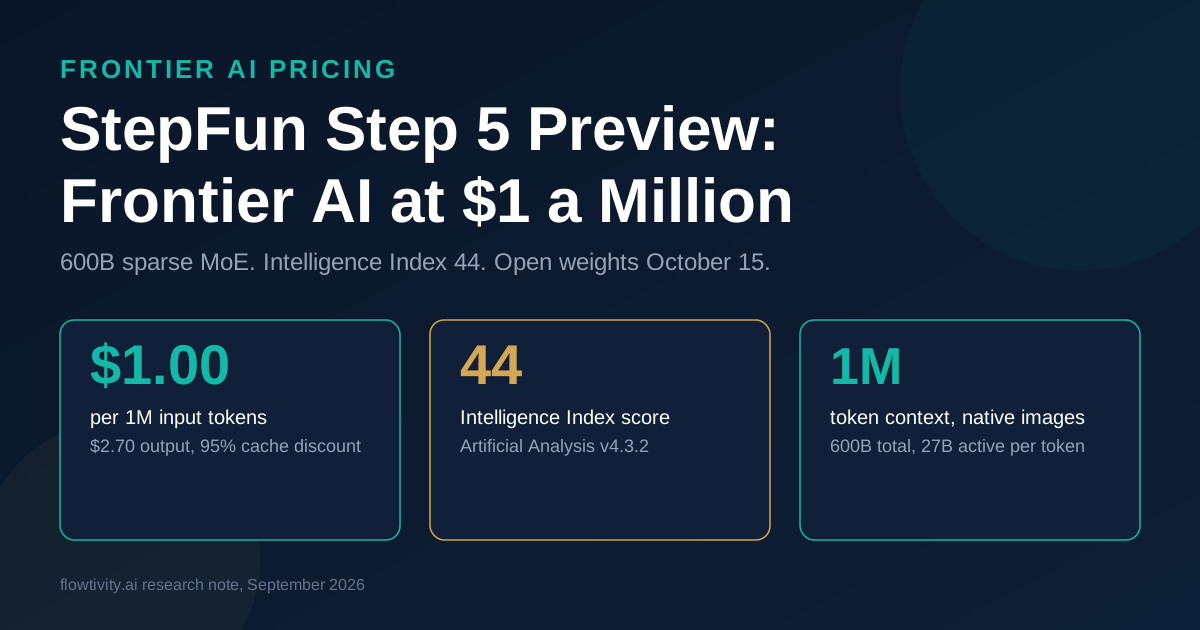
StepFun Step 5 Preview: What $1 Frontier AI Means for Your Cost per Intelligence
Step 5 Preview from StepFun prices near-frontier intelligence at $1/$2.70 per million tokens with open weights due October 15. Full cost per intelligence analysis with comparison table and worked agent economics.
One email, most weeks
What actually changed in AI and what to do about it. No pitch, and you can leave in one click.