Articles
247 articles on running a business with AI
Page 9
Showing 161 to 180 of 247
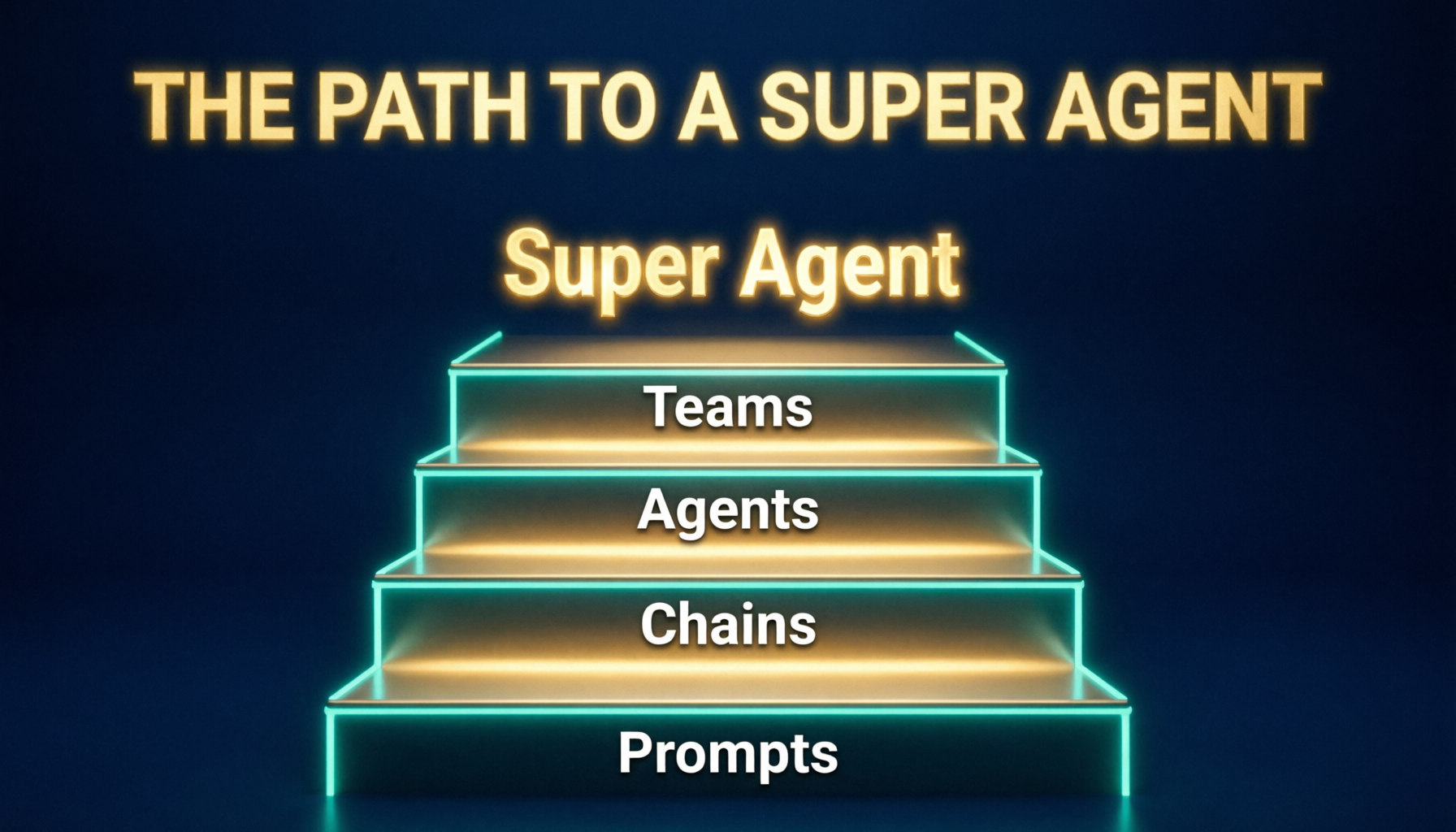
The Path to a Super Agent: From ChatGPT Prompts to Autonomous AI Systems
A practical guide to evolving from simple ChatGPT prompts to autonomous AI super agents with sandbox execution. Covers the agent capability hierarchy, multi-model architecture for cost management, and why Australian businesses are uniquely positioned for the super agent transition.
ByteDance DeerFlow Superagent Review: The Open-Source Multi-Agent Framework
ByteDance DeerFlow is an open-source multi-agent framework that orchestrates specialized AI agents for complex tasks. Full review with architecture, benchmarks, and comparison.

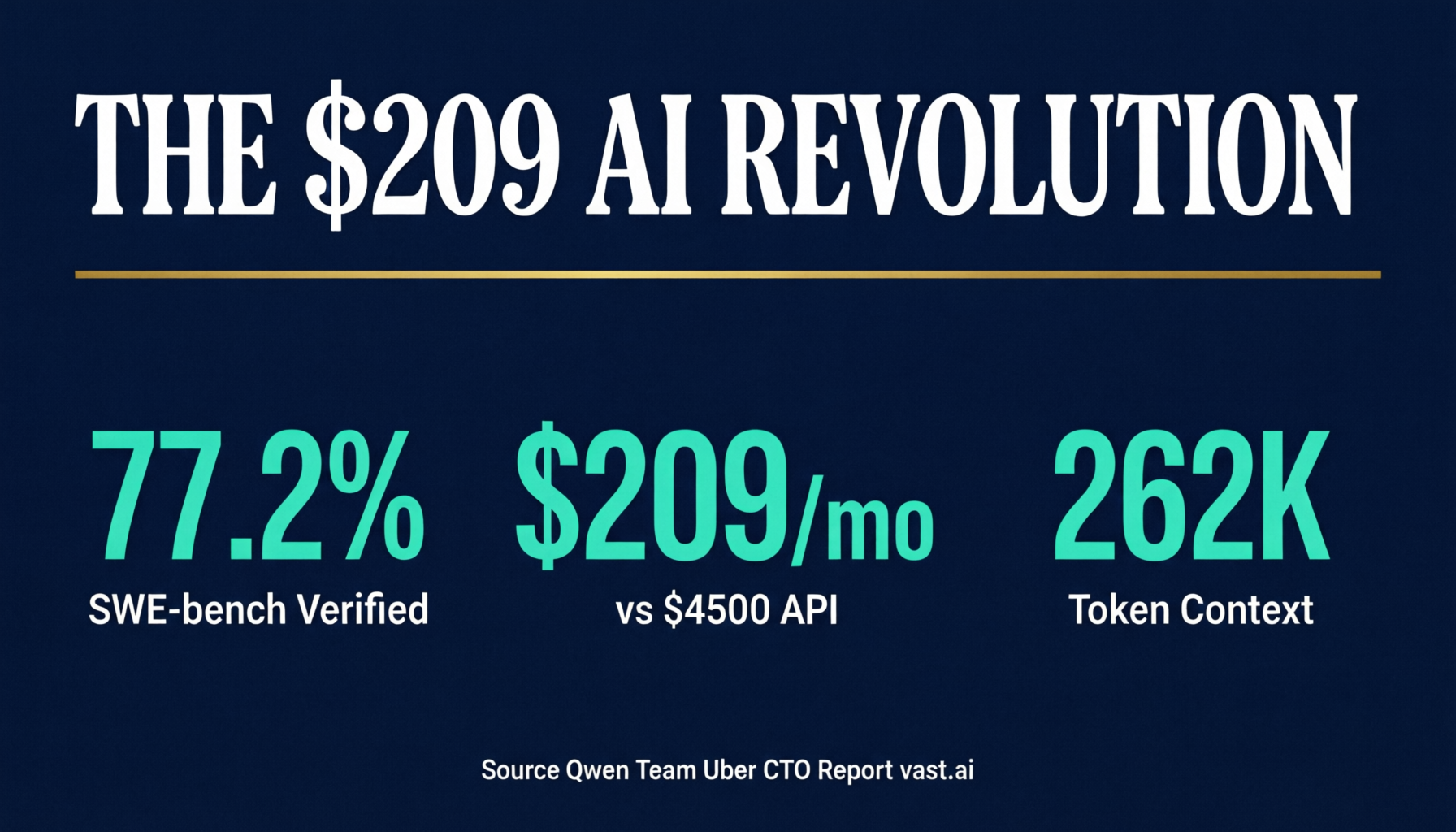
Qwen 3.6-27B Is the Model That Makes Autonomous Agent Fleets Affordable
Uber blew its entire 2026 AI budget in 4 months running Claude Code. Qwen 3.6-27B scores 77.2% on SWE-bench, runs on a single RTX 5090, and costs $209/month instead of thousands. Plus: why it beats DeepSeek V4 Flash for agent fleets.
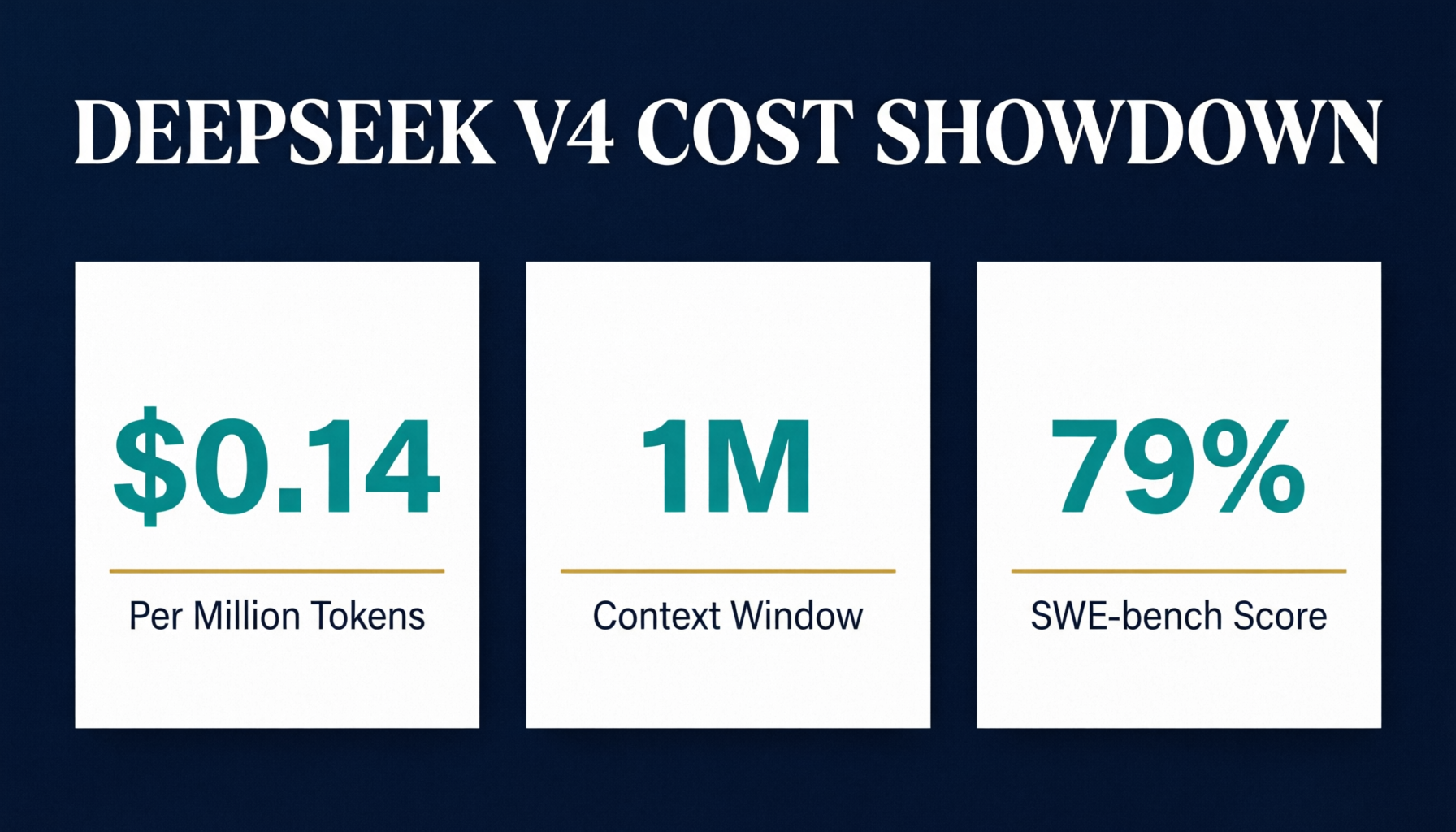
DeepSeek V4 vs GPT-5.5 vs Claude Opus vs GLM: Cost and Benchmark Comparison for AI Agent Fleets
DeepSeek V4, GPT-5.5, Claude Opus, and GLM compared on cost, benchmarks, and self-hosting viability for autonomous AI agent fleets.
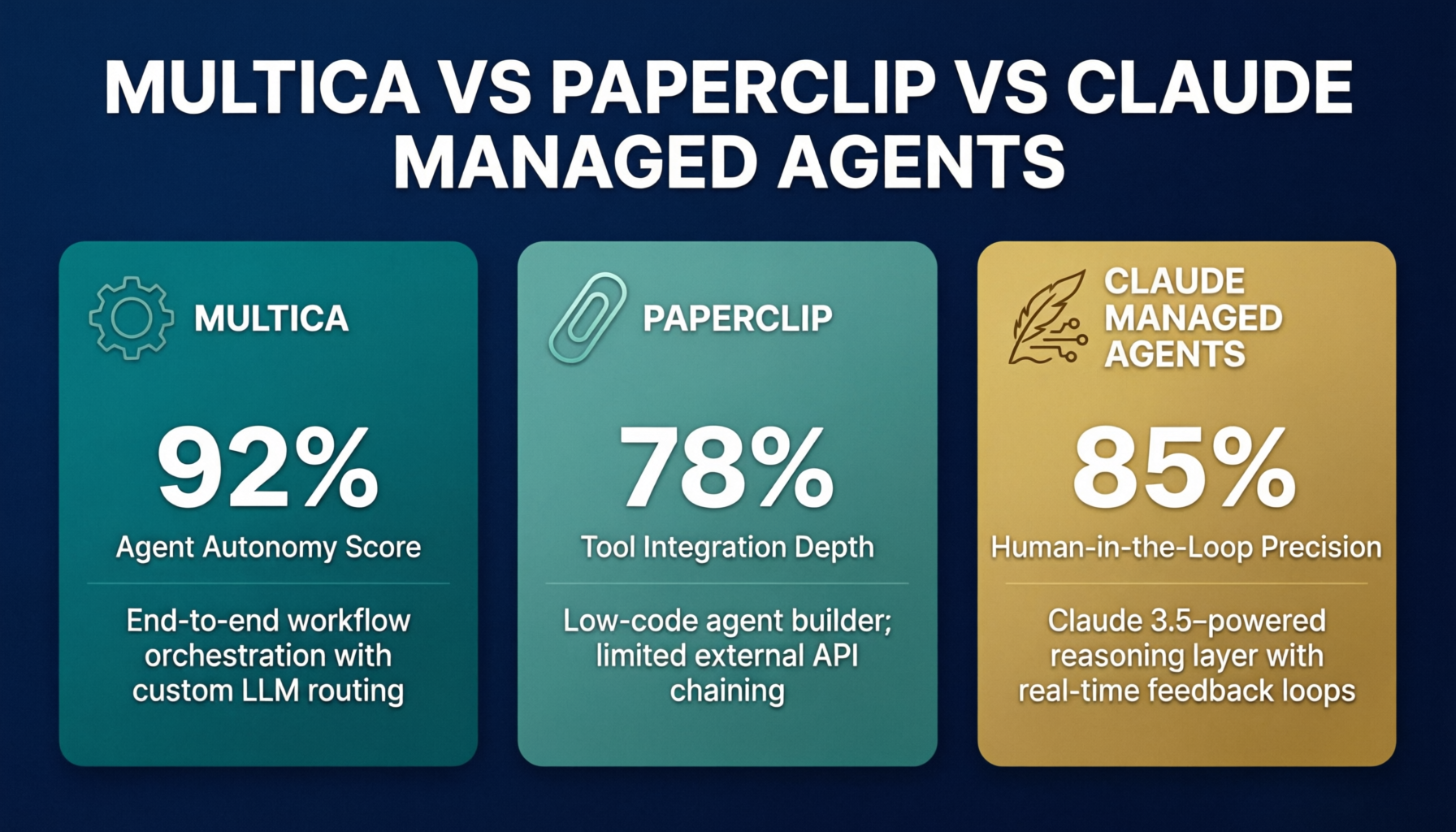
Multica vs Paperclip vs Claude Managed Agents: Which AI Agent Platform Wins in 2026?
Multica, Paperclip, and Claude Managed Agents all manage AI coding agents but serve very different teams. Full feature comparison, pricing, and which one to pick.
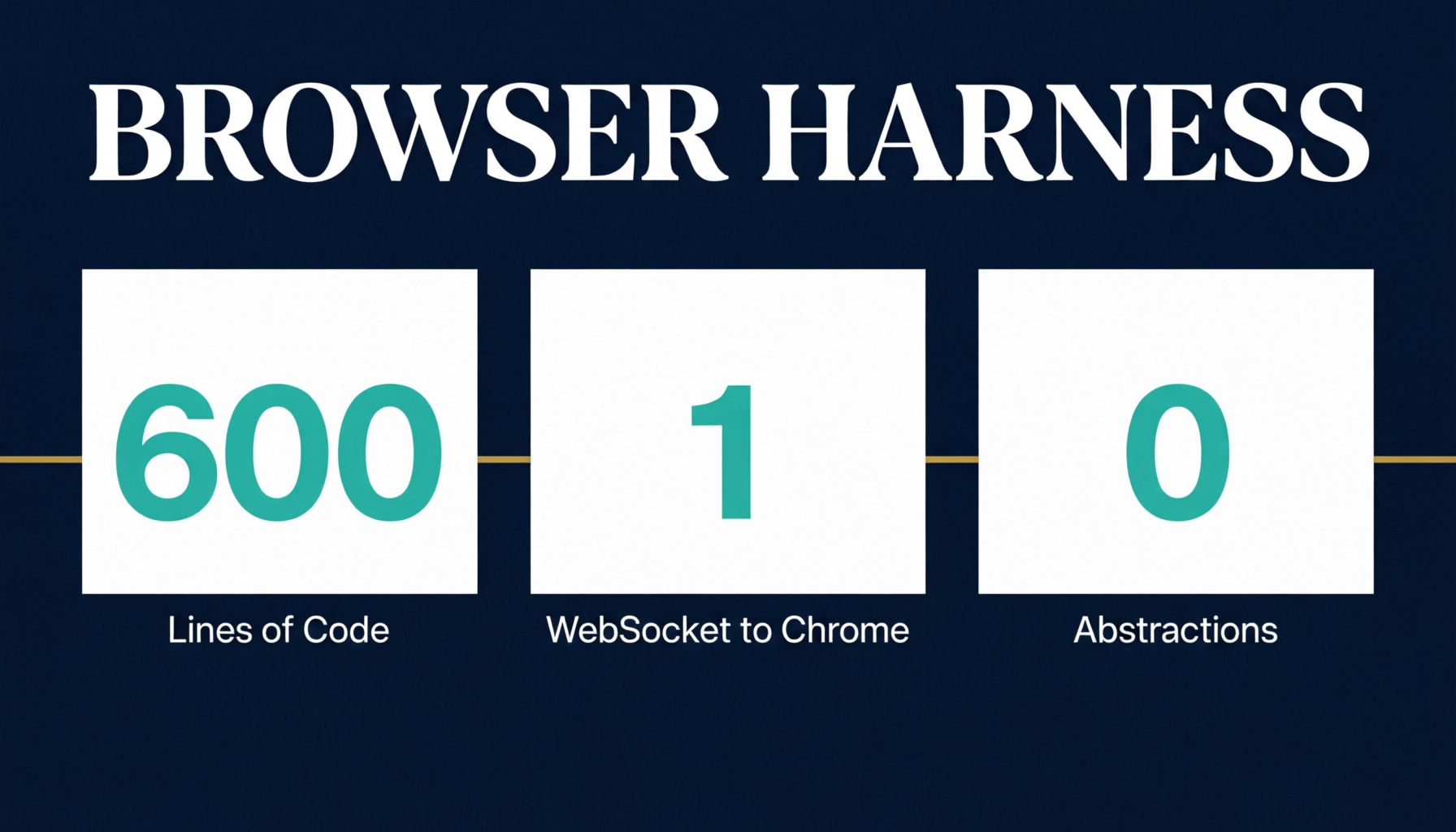
Browser Harness: Why Your AI Agent Needs Direct Browser Control (Not Another Framework)
Browser Harness gives AI agents raw CDP access to Chrome with no abstractions, no wrappers, and no rails. The agent writes what missing.
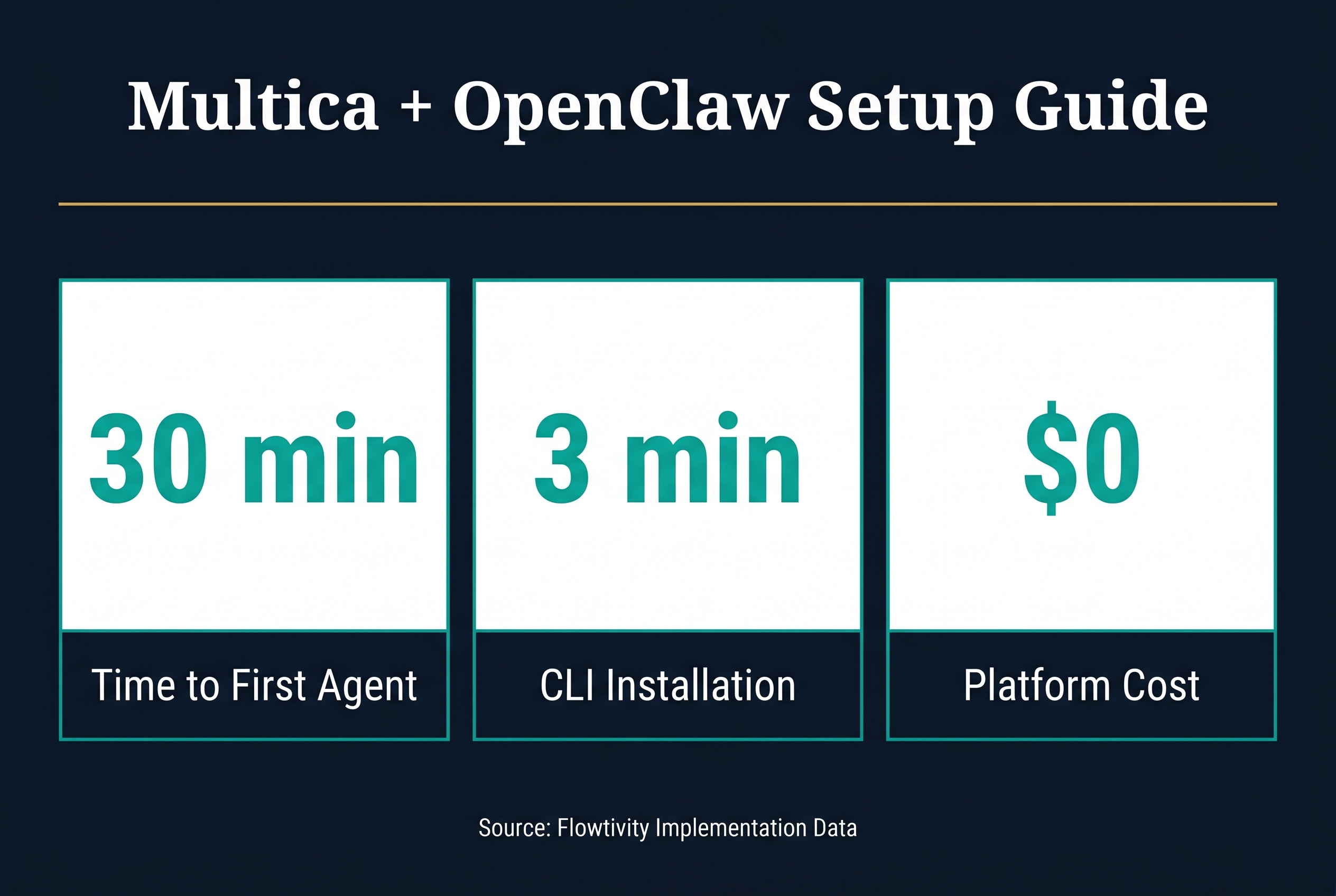
Complete Multica + OpenClaw Setup Guide: Manage AI Agents From Day One
Step-by-step tutorial for setting up Multica with OpenClaw to manage AI coding agents. Covers installation, runtime configuration, first agent creation, task assignment, and real tips from Australian business implementations.
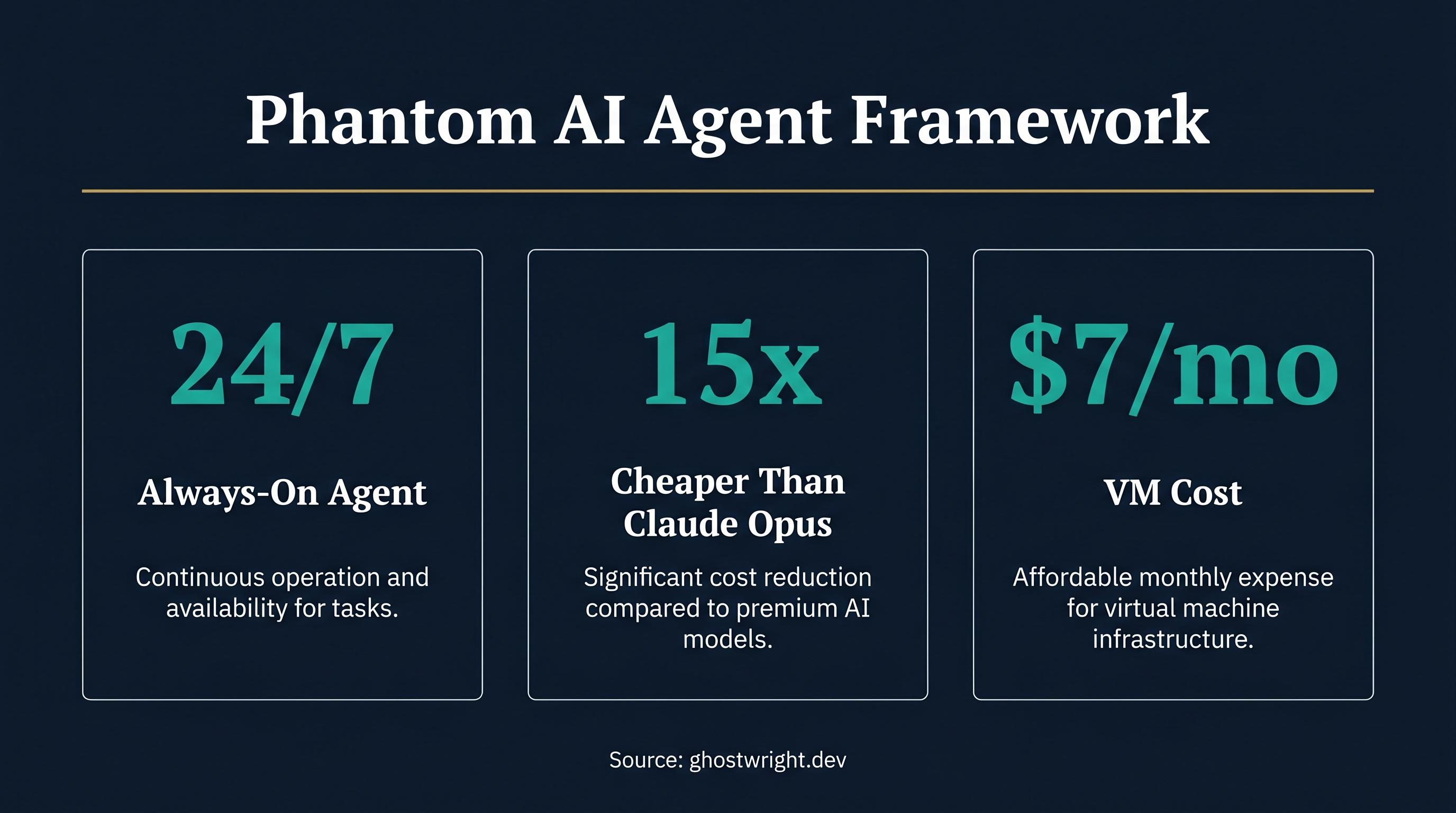
Why Phantom Is the AI Agent Framework Your Business Should Be Watching
Phantom by Ghostwright gives AI its own computer, persistent memory, and self-evolving capabilities. Here's why this open-source agent framework matters for growing businesses.
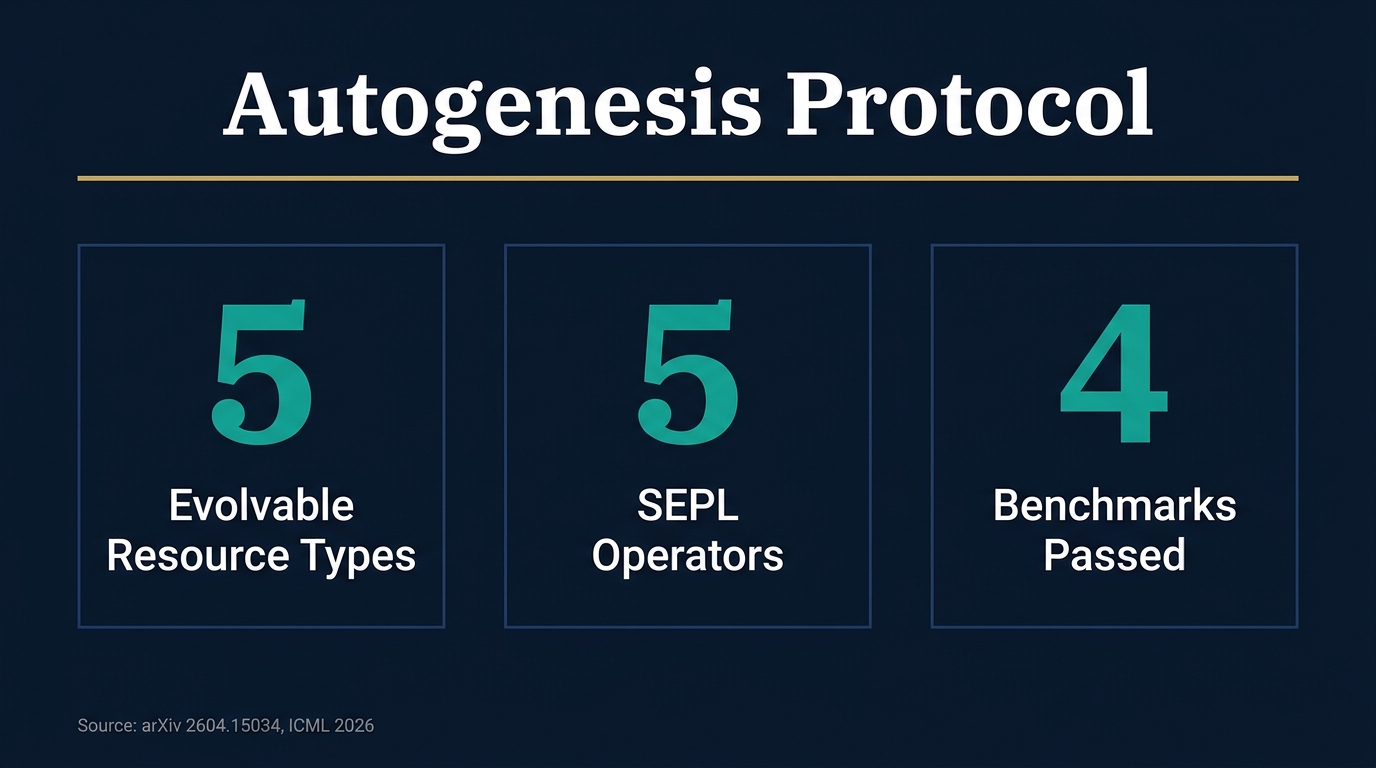
Autogenesis: The Protocol That Lets AI Agents Evolve Themselves
A deep dive into the Autogenesis Protocol (ICML 2026) — a two-layer architecture that lets AI agents safely evolve their own prompts, tools, and behaviour with full version tracking and rollback.
Why Qwen3.6-35B-A3B Changes the Game for Self-Hosted AI Agents
Alibaba new open-weight MoE model activates only 3B of its 35B parameters at inference. Here is why that matters for running local AI agents with OpenClaw, and exactly what hardware you need.

OpenClaw vs Claude Managed Agents vs OpenAI Agents SDK: Which AI Agent Framework Should You Pick in 2026?
A practical comparison of three leading AI agent platforms with clear guidance on when to pick each one based on your team, budget, and use case.
How We Use Twenty CRM and GraphQL to Run AI Agent Pipelines
We replaced Salesforce with Twenty CRM, an open source alternative, and use its GraphQL API to power our entire AI agent pipeline. Here is how GraphQL makes CRM agents possible, why self-hosting matters, and what we learned deploying it for lead management.

Graphify: Turn Any Codebase Into a Queryable Knowledge Graph for AI Assistants
Graphify is an open source AI coding assistant skill that builds knowledge graphs from your code, docs, papers, images, and videos. It reduces query tokens by 71.5x, supports 11 coding platforms, and extracts structure you did not know was there.

The Dawn of the Agentic AI Agencies: Why Traditional SaaS Is Giving Way to AI Employee Management
Traditional SaaS is being replaced by agentic AI employee management. AI automation agencies who deploy open source infrastructure like OpenClaw will dominate this shift. Your domain knowledge becomes a growing AI asset.

GEPA: How Reflective Prompt Evolution Is Beating Reinforcement Learning at 90x Lower Cost
GEPA (Genetic-Pareto) is an open-source framework that optimizes AI prompts, code, and agent architectures using LLM-based reflection. Used by Databricks, Shopify, and OpenAI to achieve 90x cost savings over RL methods.

AI for Construction Estimating & Takeoffs: The Complete Guide for Australian Builders
How AI is transforming construction estimating, quantity takeoffs, and drawing analysis for Australian builders. Covers tools, costs, ROI, and practical implementation steps.

Multica: The Open-Source Platform Turning AI Coding Agents Into Real Teammates
Multica is a new open-source platform that manages coding agents as team members. Assign tasks, track progress, and compound skills across Claude Code, Codex, OpenClaw, and OpenCode.

Claude Managed Agents vs OpenClaw: Which Agent Platform Should You Choose in 2026?
A practical comparison of Claude Managed Agents and OpenClaw for building and deploying AI agents. Covers architecture, pricing, features, and when to choose each platform.

Agentic Claw Coding Plans That Finally Make Sense
MiMo V2 Pro ($6/mo) and Qwen 3.6 Plus ($50/mo) deliver 90% of Claude Opus 4.6 performance for agentic workflows at 10% of the cost. Deep comparison with benchmarks for OpenClaw and Claude Code alternatives.
Gemini 3.1 Flash Live vs GPT Realtime 1.5: Which Voice AI Agent Should You Build With in 2026?
The voice agent landscape changed dramatically in March 2026. Google released Gemini 3.1 Flash Live on March 26, its most capable real-time voice model. OpenAI's GPT Realtime 1.5, the successor to GPT-4o Realtime, brings agentic capabilities and native audio.

One email, most weeks
What actually changed in AI and what to do about it. No pitch, and you can leave in one click.
What would you like to take off your plate?
Bring a process that feels repetitive or harder than it needs to be. We’ll help you find a practical first step.
A free 1-hour conversation with AJ. No pressure, no pitch.